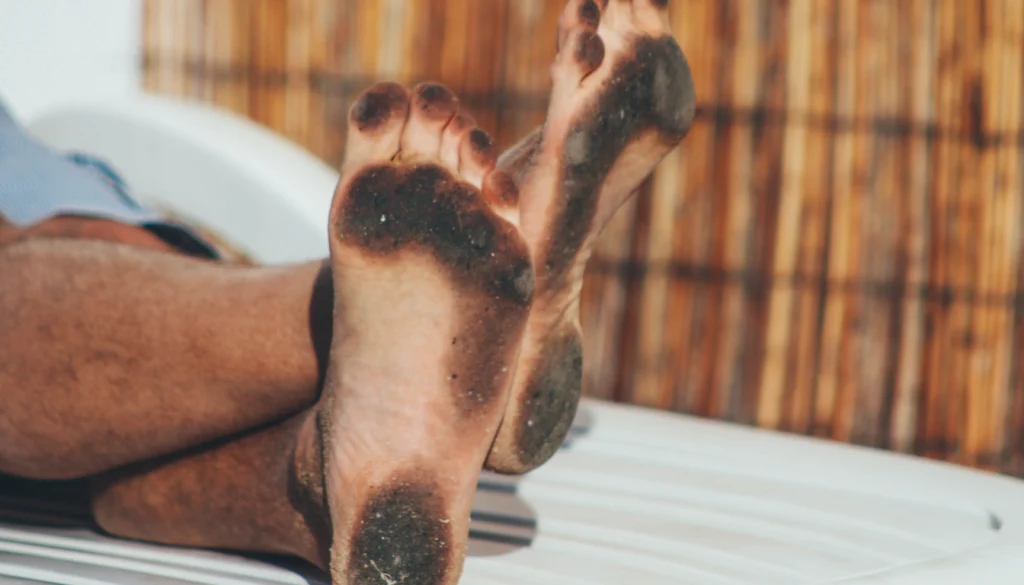
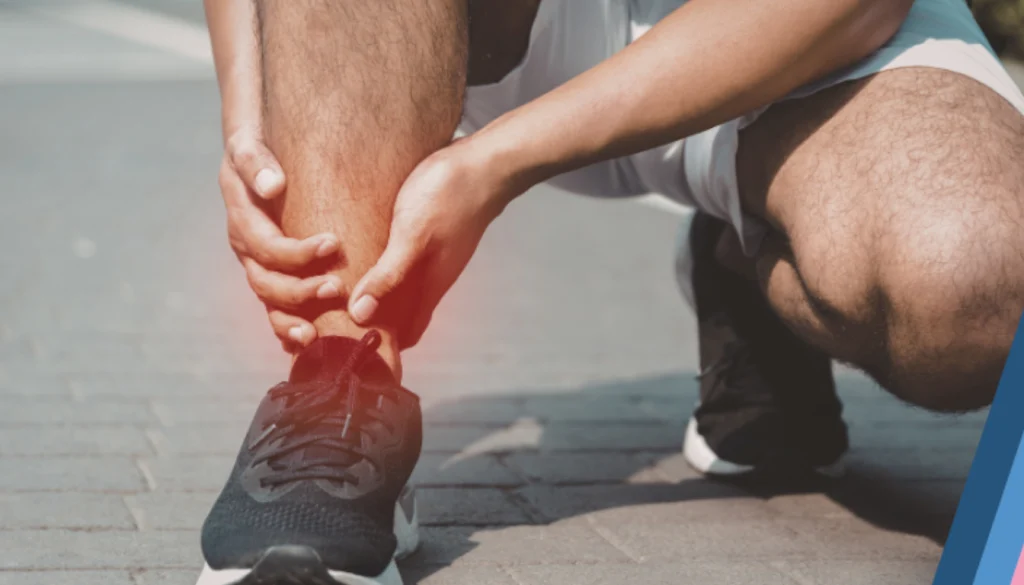
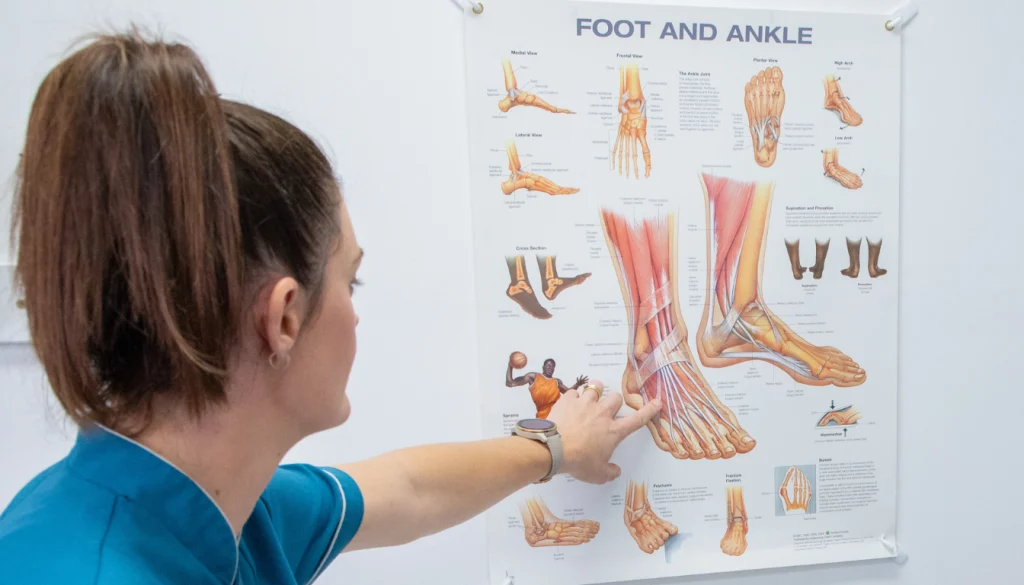
As the Brisbane sports season ramps up, athletes of all ages are hitting the fields, courts, and tracks with enthusiasm. While preparation is key to achieving peak performance, one aspect that often gets overlooked is foot care. Feet endure a significant amount of stress during sports, making it essential to prioritise their health. In this post, we’ll explore some basic tips and strategies for caring for your feet during the sports season, ensuring you stay injury-free and at the top of your game.
1. Choose the Right Footwear
The foundation of foot care starts with selecting the appropriate footwear. Whether you’re into soccer, running, or basketball, wearing shoes specifically designed for your sport can significantly reduce the risk of injuries. Look for shoes that provide adequate support, cushioning, and stability. In Brisbane, where climate and terrain can vary, consider moisture-wicking materials to keep your feet dry and comfortable during practice and games.
2. Keep Your Feet Clean and Dry
Maintaining foot hygiene is crucial, especially in sports where excessive sweating can lead to fungal infections. Ensure you wash your feet daily with soap and water, thoroughly drying them afterwards—pay special attention to the areas between your toes.
3. Pay Attention to Nail Care
Proper nail care is essential for athletes. Keep your toenails trimmed, straight across, and filed to prevent ingrown nails, which can be quite painful and lead to infections. If you’re unsure about nail trimming techniques, consider scheduling an appointment with a podiatrist for professional advice.
4. Incorporate Stretching and Strengthening Exercises
Regular stretching and strengthening exercises can enhance the flexibility and strength of your feet and lower legs. Incorporate exercises that target the Achilles tendon, arches, and the areas surrounding your ankles. This can help prevent injuries such as plantar fasciitis or ankle sprains.
5. Wear Orthotics if Necessary
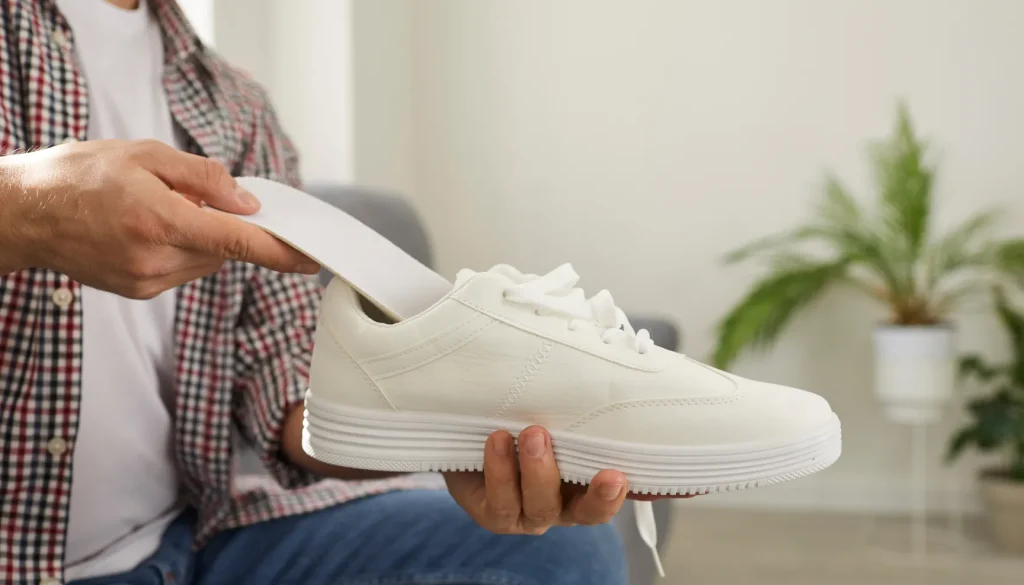
If you’ve had previous foot injuries or experienced ongoing pain, custom orthotics can provide the extra support you need. These specially designed insoles help maintain proper alignment and can alleviate pressure on specific areas of your feet. Consult with a podiatrist in Brisbane to assess whether orthotics may benefit you.
6. Monitor Any Foot Pain
Don’t ignore any persistent foot pain or discomfort. Early intervention can prevent minor issues from escalating into significant injuries. Make it a habit to check your feet regularly for blisters, calluses, or any signs of injury. If you experience ongoing pain, seek the expertise of a podiatrist to get a proper diagnosis and treatment plan.
7. Stay Hydrated
While hydration is often associated with overall health, it also plays a vital role in maintaining foot health. Staying hydrated helps maintain proper blood circulation, which is essential for recovery after physical activity. Remember to drink plenty of water before, during, and after your sporting activities.
8. Rest and Recover
After an intense practice or game, allow your feet to recover. Rest is crucial in avoiding overuse injuries. Consider incorporating gentle foot massages and soaking your feet in warm water to soothe soreness. Elevating your feet can also help reduce swelling and promote recovery.
Taking care of your feet during the sports season is crucial for athletes in Brisbane and the surrounding suburbs. By prioritising proper footwear, hygiene, and overall foot health, you can enjoy a successful season while minimising the risk of injuries. If you experience any pain or discomfort, don’t hesitate to reach out to our clinic for professional podiatric care. Remember, healthy feet lead to better performance!
By incorporating these foot care strategies into your routine, you’ll be well on your way to enjoying an active and injury-free sports season. Happy playing!
Quick Answers
How can athletes prevent foot injuries during sports season?
Athletes can reduce foot injuries by wearing appropriate footwear, increasing training gradually, warming up properly, maintaining foot strength and addressing pain before it becomes a persistent problem.
When should an athlete see a podiatrist for foot pain?
See a podiatrist when foot pain persists, repeatedly returns, affects training or walking, or is accompanied by swelling, instability, numbness or difficulty participating in sport.
What are the most common foot problems in athletes?
Common sports-related foot problems include blisters, plantar fasciitis, heel pain, ankle and foot sprains, Achilles tendon problems, stress injuries, corns and toenail injuries.
Can a podiatrist help prevent sports injuries?
Yes. A podiatrist can assess foot biomechanics, footwear, training-related stresses and existing weaknesses, then recommend strategies such as exercises, footwear changes, orthotics or other treatment.
Where can athletes find a sports podiatrist in Brisbane?
Athletes across Brisbane Northside can access professional podiatry assessment and treatment in Alderley, with care focused on diagnosing, managing and preventing sports-related foot and lower-limb problems.
Sports Foot Care FAQs
What are the most common foot injuries caused by sports?
Sports can place repetitive stress on the feet and lower limbs, particularly when training volume, intensity or frequency increases quickly. Common problems include blisters, plantar fasciitis, heel pain, tendon injuries, stress injuries, sprains and toenail problems.
The type of injury can vary depending on the sport, playing surface, footwear, training schedule and an athlete’s individual biomechanics.
What are the symptoms of a sports-related foot injury?
Symptoms can include pain during or after exercise, swelling, tenderness, bruising, stiffness, reduced movement, instability or discomfort when walking. Some overuse injuries develop gradually rather than causing sudden pain.
Persistent or worsening symptoms should not simply be ignored, particularly if they begin affecting sporting performance or everyday activities.
Why do athletes develop foot pain during sports season?
Foot pain can develop because of repetitive impact, sudden increases in training, inadequate recovery, inappropriate footwear, changes in playing surfaces or biomechanical factors.
Even experienced athletes can develop injuries when training loads increase faster than the body’s ability to adapt.
How can athletes prevent foot injuries during the sporting season?
Effective prevention combines suitable footwear, appropriate training progression, strength and conditioning, recovery, good foot hygiene and early management of minor problems.
Athletes should also pay attention to recurring pain rather than repeatedly training through it, as a small problem can become more difficult to manage.
How often should athletes replace their sports shoes?
There is no single replacement interval that suits every athlete. Running distance, sport, footwear construction, training frequency, body weight and playing surfaces can all affect shoe lifespan.
Shoes should be assessed when cushioning, stability or tread has noticeably deteriorated or when previously comfortable footwear begins contributing to discomfort.
Can wearing the wrong sports shoes cause foot pain?
Yes. Sports footwear that does not provide appropriate fit, support, cushioning or stability can contribute to discomfort and increase mechanical stress on the feet and lower limbs.
However, footwear is only one potential factor. A podiatrist can assess footwear alongside biomechanics, training load and the athlete’s injury history.
What should I do if my feet hurt after playing sport?
Reduce or modify activities that aggravate the pain and allow appropriate recovery. Avoid repeatedly pushing through significant or worsening pain.
If symptoms persist, recur or interfere with walking or sporting participation, a podiatry assessment can help identify the underlying cause and determine appropriate treatment.
Can a podiatrist help with sports injuries?
Yes. Podiatrists assess and manage many foot and lower-limb conditions affecting athletes, including overuse injuries, heel pain, plantar fasciitis, tendon problems, biomechanical issues and footwear-related problems.
Treatment depends on the individual diagnosis and may include exercise rehabilitation, footwear advice, load modification, orthotics or other appropriate interventions.
When should an athlete see a podiatrist for foot pain?
Consider seeing a podiatrist if pain persists despite rest, repeatedly returns, gets worse during training, changes the way you walk or prevents you from participating normally in sport.
Early assessment can also be valuable when a recurring problem has started affecting training consistency or performance.
How much does a podiatrist appointment cost in Brisbane?
Podiatry consultation fees vary between clinics and according to the type and complexity of assessment or treatment required. Additional services, such as orthotics or specialised assessments, may have separate costs.
Patients should check current consultation fees directly with their chosen Brisbane podiatry clinic before booking.
What happens during a sports podiatry appointment?
A sports podiatry assessment generally involves discussing your symptoms, sporting activities, training load, footwear and injury history. Your podiatrist may assess foot function, movement and biomechanics.
The assessment helps determine the likely cause of the problem and develop an appropriate treatment, rehabilitation and injury-prevention strategy.
Can custom orthotics help athletes?
Custom orthotics may help some athletes by modifying how forces are distributed through the feet and lower limbs. They are not necessary for every athlete or every injury.
A podiatrist should assess the individual’s biomechanics and condition before determining whether orthotics are appropriate.
What should athletes do about recurring foot pain?
Recurring foot pain is worth investigating rather than repeatedly treating the symptoms and returning to the same activity. Recurrent pain can indicate an underlying biomechanical, footwear, training-load or rehabilitation issue.
A podiatrist can assess contributing factors and develop a strategy aimed at reducing recurrence.
Is it safe to keep playing sport with foot pain?
It depends on the cause and severity of the pain. Continuing activity may aggravate some injuries and potentially prolong recovery.
Pain that is persistent, worsening or affecting movement should be assessed rather than routinely ignored. Modifying training may be appropriate while the underlying problem is investigated.
How can athletes prevent blisters and toenail problems?
Well-fitting sports shoes, appropriate socks, moisture management and reducing friction can help prevent blisters. Toenails should be kept appropriately trimmed and athletes should ensure footwear provides sufficient room around the toes.
Recurring blisters or toenail injuries may indicate that footwear fit or biomechanics need further assessment.
How does training load affect foot injuries?
Rapid increases in running distance, training frequency, intensity or change-of-direction work can increase the load placed on the feet and lower limbs.
A gradual progression allows tissues time to adapt. Recovery periods are also important, particularly when athletes are training or competing several times each week.
What are the signs that foot pain needs professional treatment?
Professional assessment is particularly appropriate when pain persists, repeatedly returns, becomes more severe, causes swelling or instability, affects walking or prevents normal sporting participation.
An assessment can help distinguish a minor training-related problem from an injury requiring structured treatment or rehabilitation.
Can a podiatrist help athletes return to sport after an injury?
Yes. Depending on the condition, podiatric care can form part of a return-to-sport program. This may involve managing symptoms, addressing biomechanics, recommending exercises, modifying footwear and progressively returning to activity.
The appropriate timeline depends on the diagnosis, severity of the injury and individual recovery.
Where can I see a podiatrist for sports foot problems in Brisbane Northside?
Athletes living or training across Brisbane Northside can access podiatry services in Alderley. Choosing a conveniently located clinic with highly experienced podiatrists can make it easier to attend assessment, treatment and follow-up appointments throughout the sporting season.
Is a podiatrist in Alderley suitable for Brisbane Northside athletes?
Yes. An Alderley podiatry clinic can be a convenient option for athletes across Brisbane Northside, including people travelling from surrounding suburbs for assessment and treatment of sports-related foot and lower-limb problems.
How can I book a podiatry appointment for a sports injury in Brisbane?
If sports-related foot pain is affecting your training or everyday activities, booking a podiatry assessment is a sensible next step. At Expert Foot Care in Alderley, athletes can have their symptoms assessed and receive an individualised management plan.