As we age, taking care of our feet becomes increasingly important. Many seniors experience foot pain, which can significantly affect mobility, balance, and overall quality of life. However, with the right preventive measures, you can maintain healthy feet and reduce the risk of pain. Here, we’ll discuss effective strategies for preventing foot pain in seniors, helping you or your loved ones stay active and comfortable.
1. Choose the Right Footwear
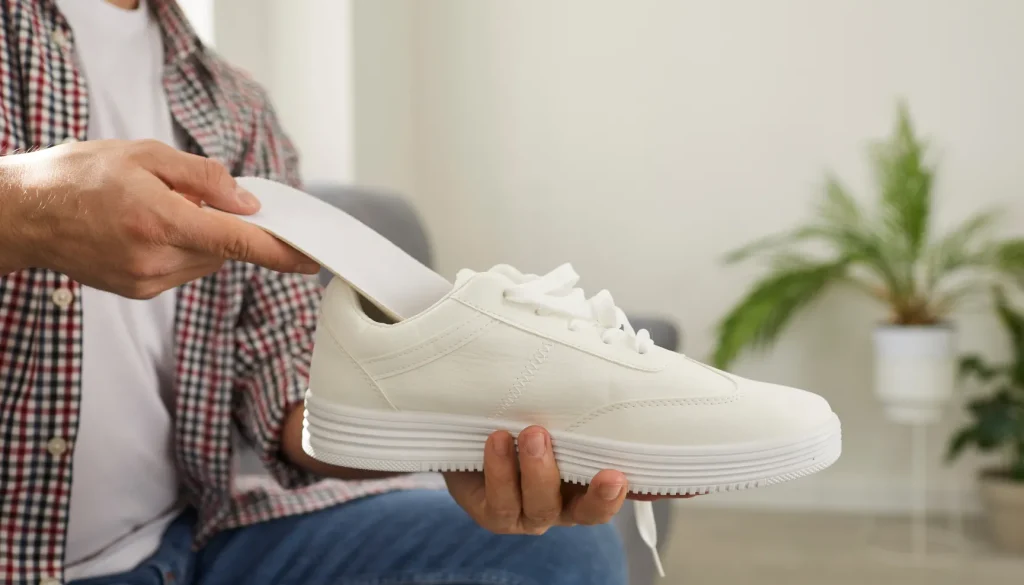
One of the simplest ways to prevent foot pain is to invest in quality footwear. Seniors should look for shoes that offer:
– Proper Fit: Shoes should fit snugly but not too tightly. There should be enough space in the toe box to allow for natural movement.
– Support: Look for shoes with arch support and cushioning to absorb shock and reduce pressure on the feet.
– Non-slip Soles: Choosing shoes with good traction can help prevent slips and falls, which can lead to injuries.
Consulting a podiatrist for recommendations can be beneficial in selecting the right footwear for specific foot types and needs.
2. Maintain a Regular Foot Care Routine
Practicing good foot hygiene is crucial for preventing issues that can lead to foot pain. Seniors should:
– Wash Feet Daily: Clean feet thoroughly with mild soap and warm water, ensuring to dry them completely to prevent fungal infections.
– Moisturise: Apply a good quality moisturiser to prevent dry, cracked skin, but avoid applying lotion between the toes, as moisture can lead to fungal growth.
– Trim Toenails Properly: Regularly trim toenails straight across to prevent ingrown toenails. If toenails are thick or difficult to cut, a podiatrist can provide assistance.
3. Engage in Regular Foot Exercises
Keeping the feet flexible and strong is vital for preventing pain and maintaining mobility. Here are a few simple exercises seniors can perform:
– Toe Raises: Stand and slowly rise onto the balls of your feet, then lower back down. Repeat this 10 times to strengthen calves and improve balance.
– Foot Circles: While seated, lift one foot and make circles with your toes, 10 times in each direction. This helps maintain joint mobility.
– Stretching: Gently stretching the feet and calves improves flexibility. Point and flex your toes while seated to stretch the foot muscles.
Incorporating these exercises into your daily routine can enhance foot health.
4. Manage Chronic Conditions
Seniors often face chronic conditions such as diabetes or arthritis, which can impact foot health. Here’s how to manage these conditions effectively:
– Control Blood Sugar: For diabetics, keeping blood sugar levels in check is crucial. Monitor levels regularly and follow your healthcare provider’s advice.
– Regular Check-Ups: Schedule routine podiatry visits to catch any foot issues early, especially if dealing with conditions that affect circulation or nerve sensation.
Taking proactive steps to manage health conditions can significantly reduce the risk of foot pain.
5. Stay Active
Regular physical activity is essential for maintaining overall health, including foot health. Engaging in low-impact exercises such as walking, swimming, or yoga can:
– Improve circulation to the feet.
– Strengthen muscles and ligaments that support the feet.
– Reduce the risk of injuries and improve balance, minimizing fall risks.
Preventing foot pain in seniors is vital for maintaining independence and quality of life. By following these tips, investing in the right footwear, practicing good foot hygiene, engaging in regular exercises, managing chronic health conditions, and staying active, you can keep your feet healthy and pain-free.
If you or a loved one is experiencing foot pain or needs personalised advice, don’t hesitate to contact us as our team of experts are here to help you walk with comfort and confidence!
Quick Answers
What causes foot pain in seniors?
Foot pain in older adults can be caused by arthritis, changes in foot structure, reduced cushioning, skin and nail problems, poor footwear, injuries, circulation concerns and other health conditions.
How can seniors prevent foot problems?
Regular foot checks, comfortable and supportive footwear, good hygiene, appropriate physical activity and early treatment of persistent problems can help seniors maintain healthy, comfortable feet.
When should an elderly person see a podiatrist?
Older adults should see a podiatrist for persistent pain, difficulty walking, recurring falls, thickened nails, wounds, numbness, swelling or foot problems affecting everyday independence.
What are the best shoes for elderly people with foot pain?
The best footwear depends on individual needs, but properly fitted shoes with adequate support, cushioning, stability and appropriate sole grip can help improve comfort and safety.
Can regular podiatry care help seniors stay mobile?
Yes. Regular podiatry care can help identify and manage foot and nail problems that cause discomfort, affect walking or make it more difficult for older adults to remain active and independent.
Are foot problems affecting your mobility or independence? Book a podiatry appointment at Expert Foot Care in Alderley and get personalised advice to help you stay comfortable and active.
Frequently Asked Questions About Foot Care for Seniors
Why do feet hurt more as you get older?
Ageing can bring changes to the skin, joints, muscles and natural cushioning of the feet. Arthritis, reduced mobility and other health conditions may also contribute to discomfort.
What are the most common foot problems in seniors?
Common foot problems in older adults include arthritis-related pain, corns, calluses, thickened toenails, ingrown toenails, heel pain, bunions, dry skin and changes in foot shape.
How often should seniors have their feet checked?
The ideal frequency depends on an individual’s health and foot-care needs. Older adults with ongoing problems, diabetes or reduced sensation may benefit from regular professional assessments.
How can elderly people prevent foot pain?
Maintaining healthy body movement, wearing appropriate footwear, regularly checking the feet and seeking early treatment for persistent symptoms can help reduce the risk of ongoing foot problems.
What should seniors look for when buying shoes?
Shoes should fit comfortably, provide sufficient room for the toes and offer appropriate support and stability. A secure fit and suitable sole grip may also be important for reducing fall risks.
Can wearing the wrong shoes cause foot pain in older adults?
Poorly fitting or unsuitable footwear can increase pressure and discomfort and may contribute to skin problems or difficulty walking. Footwear should be considered as part of overall foot health.
Why do older people develop corns and calluses?
Corns and calluses develop when repeated pressure or friction causes the skin to thicken. Changes in foot shape, footwear and walking patterns can increase their likelihood.
Should elderly people cut their own toenails?
Some seniors can safely manage their own nails, but reduced flexibility, poor eyesight, thickened nails or certain health conditions may make professional nail care a safer option.
Why do toenails become thick and difficult to cut with age?
Toenails can change with age and may become thicker, harder or more difficult to manage. Injury, fungal infections and other factors can also contribute to nail changes.
What causes swollen feet and ankles in seniors?
Swelling can have numerous causes, including prolonged sitting or standing, injury and underlying health concerns. Persistent, sudden or worsening swelling should be appropriately assessed.
Is numbness in the feet a normal part of ageing?
Persistent numbness should not simply be dismissed as normal ageing. Changes in sensation can increase the risk of unnoticed injuries and should be discussed with an appropriate healthcare professional.
How can seniors improve balance and reduce the risk of falls?
Appropriate physical activity, strength and balance exercises, supportive footwear and addressing painful foot problems may all contribute to safer mobility and reduced fall risk.
Can foot pain make elderly people more likely to fall?
Foot pain can affect walking patterns, confidence and stability. Identifying and managing problems that make walking uncomfortable may help older adults maintain safer mobility.
Why is foot care important for seniors with diabetes?
Diabetes can affect circulation and sensation, making it harder to notice injuries or foot problems. Regular checks and prompt attention to wounds or changes are particularly important.
What should seniors do if they notice a wound on their foot?
A new wound should be monitored carefully and assessed promptly if it does not heal, worsens or shows signs of infection. People with diabetes should take foot wounds particularly seriously.
Can arthritis cause foot pain in elderly people?
Yes. Arthritis can affect the joints of the feet and ankles, causing pain, stiffness and difficulty walking. Appropriate assessment can help identify management strategies suited to the individual.
How can a podiatrist help an elderly person with foot pain?
A podiatrist can assess foot pain, walking difficulties, skin and nail problems and other concerns, then recommend appropriate management to support comfort, mobility and independence.
What happens during a podiatry appointment for seniors?
An appointment may include discussing symptoms and medical history, examining the feet and assessing factors such as footwear, mobility, skin, nails and walking patterns.
When should an elderly person see a podiatrist in Brisbane?
Older adults should consider booking a podiatry appointment when foot pain, nail problems, swelling or mobility concerns interfere with walking, daily activities or overall quality of life.
Where can seniors find a podiatrist near Alderley or Brisbane Northside?
Seniors and their families looking for local foot care can access podiatry services in Alderley, conveniently located for people living throughout Brisbane’s Northside.