The Ultimate Guide for Parents Getting Kids’ Footy Boots: Help Your Child Remain Comfortable and Injury-Free This Season
As the footy season approaches, many parents find themselves in the delightful yet challenging position of choosing the right boots for their young athletes. The importance of selecting the right pair of footy boots cannot be overstated; they play a crucial role in ensuring your child remains comfortable and injury-free throughout the season. In this comprehensive guide, we’ll explore essential tips for selecting football boots, common issues to watch out for, and advice on how to maintain them.
Why Choosing the Right Footy Boots Matters
Footy is a dynamic and vigorous sport that requires players to run, jump, and change direction frequently. The right footwear not only provides comfort but also promotes better performance and minimises the risk of injuries. Here are a few reasons why choosing the right boots is essential:
– Support: Good footy boots offer the necessary arch and ankle support, which is crucial for growing feet.
– Traction: The sole of the boots should provide excellent grip on the pitch, helping prevent slips and falls.
– Fit: A proper fit helps prevent blisters, calluses, and other foot issues that can sideline your child.
Tips for Selecting Kids’ Footy Boots
1. Size Matters
Kids grow quickly, so measuring their feet regularly is essential. When selecting footy boots:
– Measure Both Feet: Children’s feet can be slightly different sizes, so always measure both.
– Allow for Growth: When trying on boots, ensure there is about a thumb’s width of room at the big toe to accommodate growth.
2. Prioritise Comfort
Comfort is key to allowing your child to focus on their game rather than their feet. Look for:
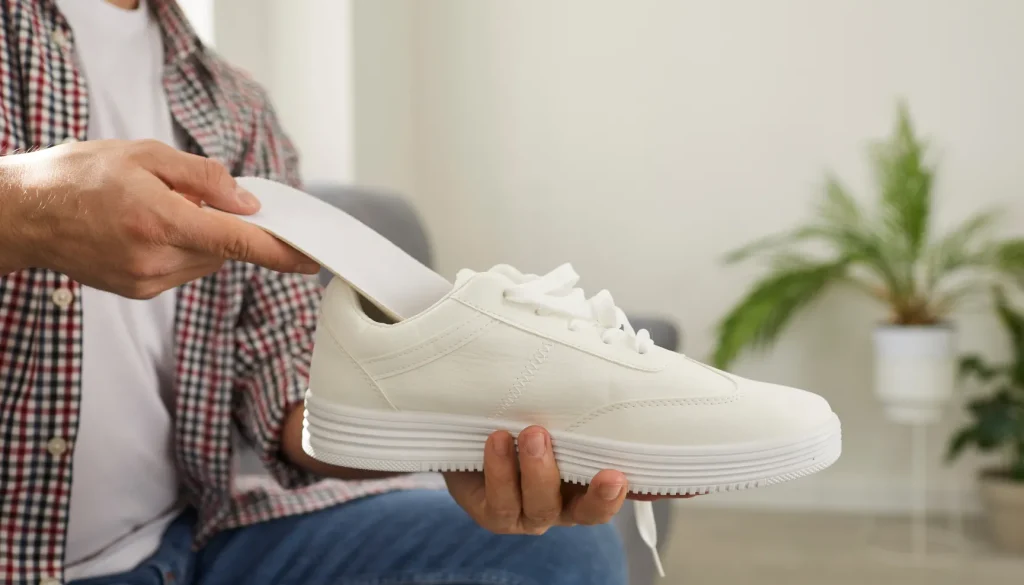
– Cushioned Insoles: Boots should have ample cushioning to absorb impact.
– Breathable Materials: Choose boots made from breathable materials to keep feet dry and cool.
3. Consider the Playing Surface
Different boot styles are suited for various playing surfaces. Here’s a quick breakdown:
– Firm Ground (FG): Best for natural grass pitches; features conical studs for traction.
– Soft Ground (SG): Ideal for wet, muddy fields; has longer studs for better grip.
– Artificial Ground (AG): Designed for synthetic pitches with shorter, more numerous studs to prevent injuries.
4. Check the Boot Structure
The boot’s design impacts not only comfort but also performance. Look for features such as:
– Ankle Support: If your child has a history of ankle injuries, consider boots with higher ankle support.
– Flexible Upper: A flexible upper allows for natural foot movement while providing support.
Common Issues to Watch For When Buying Kids Football Boots
Even with the right boots, some problems can arise. Keep an eye out for:
– Blisters: Often caused by ill-fitting boots. Ensure a snug but comfortable fit to prevent friction.
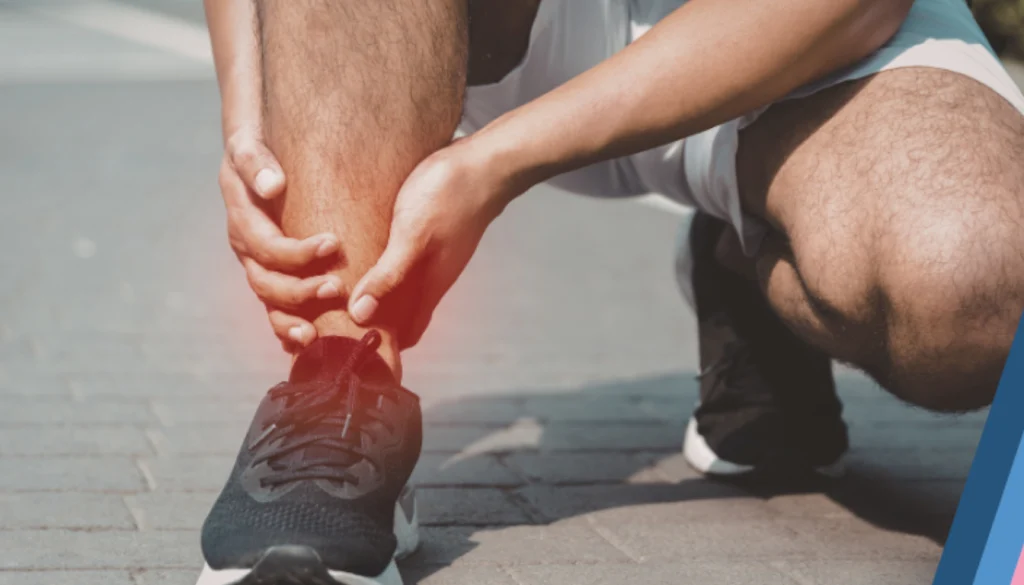
– Injuries: If your child complains of pain in their feet (particularly heels) or legs, it could be due to inappropriate footwear.
– Odour and Moisture: Footwear that doesn’t breathe well can lead to dampness and odour. Regularly check the boots and encourage kids to wear moisture-wicking socks.
Maintaining Footy Boots for Longevity
To ensure your child’s footy boots last throughout the season and remain effective, proper maintenance is essential:
– Clean After Use: Brush off mud and dirt after each game to prevent damage.
– Dry Properly: Avoid placing boots near direct heat sources; instead, let them air dry naturally.
– Store Correctly: Keep boots in a well-ventilated area to prevent moisture buildup.
When to Replace Footy Boots
As your child grows and their level of play increases, it may be necessary to replace their boots. Signs it’s time for a new pair include:
– Loss of Traction: Worn-out studs can lead to slipping.
– Visible Damage: Cracks or tears can impact performance and comfort.
– Discomfort: If your child complains that their boots are hurting, it’s likely time to look for a new pair.
Choosing the right footy boots is vital for your child’s comfort, performance, and injury prevention. By prioritising fit, comfort, and surface type, you can help set your young athlete up for a successful season on the field. Always keep an eye out for any signs of discomfort or issues with their boots and encourage proper maintenance to enhance longevity.
At our podiatry clinic, we specialise in foot care for athletes of all ages. If you have any concerns about your child’s foot health or require further advice on footwear, don’t hesitate to contact us. Let’s make this footy season a safe, enjoyable, and injury-free experience for your child!
Quick Answers
These are particularly useful for AI search extraction and featured-answer opportunities.
How should football boots fit a child?
Kids football boots should fit securely without squeezing the toes, restricting movement or causing pressure points. Check both length and width, and reassess fit as growing feet change.
Should kids football boots have room to grow?
Children need some space in their footwear, but football boots should not be excessively loose. Too much movement inside the boot can affect comfort, control and stability.
Are football boots bad for children’s feet?
Football boots are not inherently bad for children’s feet when properly fitted and appropriate for the playing surface. Problems are more likely when boots are unsuitable, poorly fitted or worn despite pain.
When should a child see a podiatrist for football-related foot pain?
Persistent foot or heel pain, limping, repeated injuries, difficulty running or pain that affects participation should be professionally assessed rather than ignored.
Can a podiatrist help choose football boots?
A podiatrist can assess a child’s feet, movement, footwear and sporting demands, helping identify factors that may contribute to discomfort or recurring lower-limb problems.
FAQs For Buying Kids Footy Boots
How do I know if my child’s football boots fit correctly?
The boots should feel secure without squeezing the toes, rubbing the skin or creating pressure points. Your child should be able to move their toes comfortably.
Should kids football boots be a size bigger?
Avoid buying football boots excessively large just to allow for growth. Excess movement can reduce comfort and stability. Aim for an appropriate fit with sensible growing room.
How much room should children have in football boots?
Children need some space in front of their longest toe, but the exact amount depends on the boot and foot shape. The boot should not allow excessive foot movement.
Should kids football boots be wide or narrow?
The correct width depends on the individual child’s foot. A boot should match the natural shape of the foot rather than forcing the toes together.
What should parents look for when buying kids footy boots?
Look at fit, width, toe space, comfort, heel security, construction, stud configuration and whether the boot is appropriate for the playing surface.
Are football boots supposed to feel tight?
Football boots should feel secure but should not be painfully tight. Pressure on the toes, sides of the foot or toenails can indicate that a different size or shape is needed.
How often should I check my child’s football boot size?
Check regularly because children’s feet can grow quickly. Don’t rely on the fact that a boot fitted correctly at the beginning of the season will still fit months later.
Can wearing the wrong football boots cause foot pain?
Poorly fitting or unsuitable footwear can contribute to pressure, rubbing and discomfort. Footwear should also be appropriate for the sport, playing surface and child’s individual needs.
Why does my child’s heel hurt after playing football?
Heel pain in active children can have several causes. Sever’s disease, for example, is a common cause of heel pain in active children and can worsen during or after exercise.
Can football boots contribute to blisters?
Yes. Friction and rubbing can cause blisters, particularly when boots are poorly fitted or new. Well-fitting footwear can reduce the likelihood of friction-related blisters.
Should my child wear football boots if they have flat feet?
Flat feet are common in children and do not automatically require treatment. If your child experiences pain, tiredness, difficulty walking or repeated problems during sport, assessment may be appropriate.
Can children wear football boots for training and games?
The appropriate boot depends on the playing surface and activity. Parents should check that the sole and stud configuration are suitable for where the child will be playing.
When should my child stop playing football because of foot pain?
If your child develops significant or persistent pain, starts limping, refuses to put weight on a foot or cannot participate normally, stop the activity and seek appropriate professional advice.
Should children wear football boots that are already worn out?
Worn footwear may provide less effective support and protection. Inspect boots regularly for excessive wear, damaged studs, stretched uppers and changes in fit.
Can football boots affect a child’s running?
Footwear can influence comfort, traction and how a child interacts with the playing surface. Persistent running problems should be assessed rather than assuming the boots are the only cause.
Should children wear thick socks with football boots?
Socks should be comfortable and appropriate for the boot. Very thick socks should not be used simply to compensate for boots that are too large.
What are signs that my child’s football boots are too small?
Watch for complaints of pressure, rubbing, blisters, bruised toenails, discomfort around the toes or sides of the foot, or reluctance to wear the boots.
What are signs that my child’s football boots are too big?
Excessive heel movement, slipping, difficulty controlling the foot inside the boot and repeated rubbing can indicate that the footwear is too large.
When should a child see a podiatrist for football injuries?
Consider podiatry assessment for persistent pain, recurring injuries, limping, difficulty running, repeated ankle problems or symptoms that prevent your child from participating normally. Podiatrists can assess children’s foot and lower-limb problems and provide activity and footwear advice.
Can a Brisbane podiatrist assess my child’s football-related foot problems?
Yes. A podiatrist can assess your child’s feet, footwear, movement and lower-limb function and determine whether further treatment, exercise, footwear modification or other management may be appropriate.