If you’re experiencing persistent heel pain, especially in the morning, you may be dealing with plantar fasciitis. This common condition affects many individuals, especially those in Brisbane’s active lifestyle. In this blog post, we’ll delve into the symptoms, causes, and effective treatments for plantar fasciitis, empowering you to take control of your foot health.
What is Plantar Fasciitis?
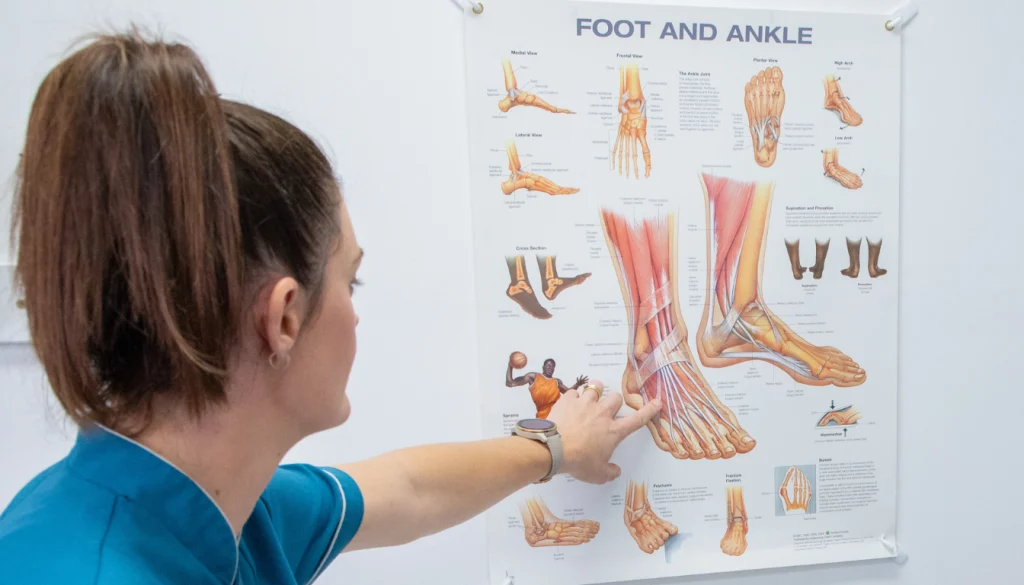
Plantar fasciitis is an inflammation and irritation of the plantar fascia, a thick band of tissue that runs across the bottom of your foot, connecting your heel bone to your toes. This condition commonly results from overuse or excessive strain, leading to pain that can be both debilitating and frustrating.
Symptoms of Plantar Fasciitis
The primary symptom of plantar fasciitis is heel pain, which typically manifests as:
- Sharp Pain: A stabbing pain in the heel, especially noticeable in the morning or after sitting for long periods. Sometimes this can also be described as a ‘stone bruise’ type feeling on the heel.
- Stiffness: Discomfort may lessen with movement but can return after prolonged inactivity.
- Swelling: Some patients experience localised swelling in the heel area, particularly after intense physical activity.
- Pain After Exercise: Unlike some sports injuries, the pain often worsens after the activity rather than during exercise. This can result in an obvious limp.
Understanding these symptoms is the first step toward seeking the proper treatment.
Causes of Plantar Fasciitis
Several factors can contribute to the development of plantar fasciitis:
- Overuse: Activities that involve repetitive stress on the foot, such as running, jumping, or prolonged standing, can lead to inflammation.
- Foot Mechanics: Flat feet, high arches, or an abnormal walking pattern can place excess strain on the plantar fascia.
- Age: As we age, the plantar fascia can become less flexible and resilient, increasing the risk of injury.
- Lifestyle Factors: Being overweight or wearing non-supportive shoes can exacerbate the strain on your feet.
- Occupational Hazards: Jobs that require prolonged standing or walking on hard surfaces can contribute to the development of plantar fasciitis.
- Hormonal Influences: Particularly for females during pregnancy and menopause. Hormone changes can lead to fluctuations in inflammation in the body and changes in collagen or elasticity of soft tissue.
Effective Treatments for Plantar Fasciitis
The most successful treatment for plantar fasciitis depends on identifying the underlying cause of your heel pain. At Expert Foot Care, we don’t believe in a one-size-fits-all approach. Every patient receives a comprehensive biomechanical assessment so we can develop a personalised treatment plan that targets the source of the problem—not just the symptoms.
Shockwave Therapy Is Our Leading Treatment for Persistent Heel Pain
For patients experiencing ongoing plantar fasciitis that hasn’t responded to stretching, rest or other conservative treatments, Shockwave Therapy is one of the most effective non-surgical treatment options available.
Shockwave Therapy uses high-energy acoustic waves to stimulate the body’s natural healing response, improve blood flow, encourage tissue repair and reduce chronic pain. Treatment is performed in our clinic, requires no injections or surgery, and most patients can continue their normal daily activities throughout their treatment program.
Clinical research has consistently shown excellent outcomes for chronic plantar fasciitis, making Shockwave Therapy one of our most recommended treatments for long-standing heel pain.
Individualized Treatment Options
Depending on your condition, your podiatrist may recommend a combination of treatments to achieve the best long-term outcome.
Shockwave Therapy
For chronic or persistent plantar fasciitis, Shockwave Therapy is often our first recommendation due to its strong evidence base, excellent success rates and ability to stimulate natural healing without surgery.
Footwear Assessment and Shoe Advice
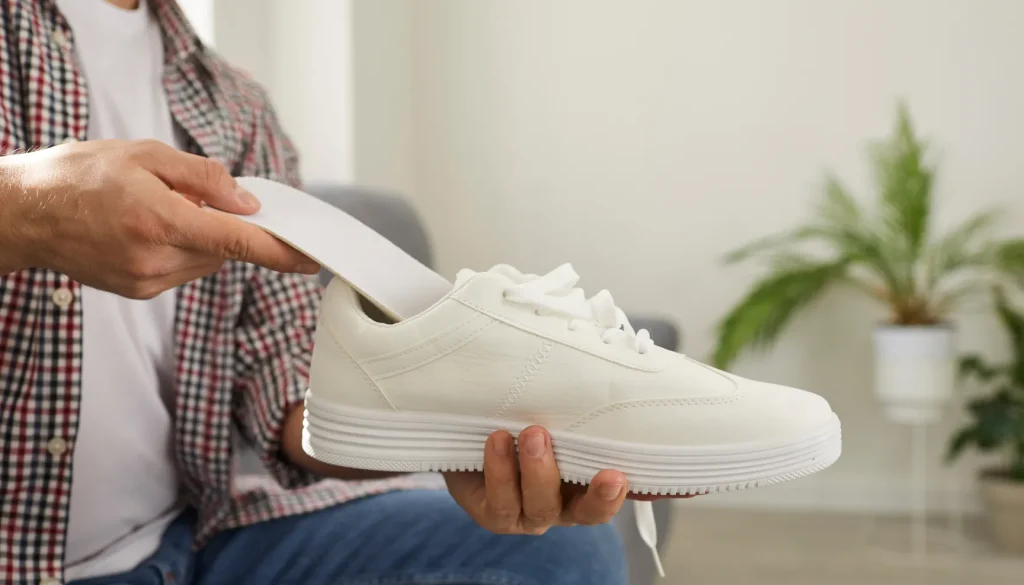
Supportive footwear plays a critical role in reducing strain on the plantar fascia. We assess your current footwear and recommend shoes that provide appropriate cushioning, stability and arch support while advising against walking barefoot or wearing unsupportive footwear such as thongs or worn-out shoes.
Custom Orthotics
Where poor foot mechanics are contributing to plantar fasciitis, custom orthotics can redistribute pressure, improve foot function and reduce stress on the plantar fascia during walking, work and exercise.
Targeted Stretching and Strengthening Exercises
Specific stretching and strengthening exercises for the plantar fascia, calves and foot muscles help improve flexibility, restore function and reduce the likelihood of recurring symptoms. We provide personalised exercise programs based on your assessment.
Activity Modification, Rest and Ice
Reducing high-impact activities during painful flare-ups, combined with appropriate rest and ice therapy, can help manage inflammation and improve comfort while the injured tissue begins to recover.
Taping and Foot Support
In some cases, supportive taping techniques can provide immediate pain relief by reducing tension on the plantar fascia while longer-term treatments begin to take effect.
Pain Management
Anti-inflammatory medications may provide temporary symptom relief when appropriate. However, medication alone does not address the underlying mechanical causes of plantar fasciitis and should be viewed as part of a broader treatment plan.
Surgery – Rarely Required
The vast majority of plantar fasciitis cases improve with conservative management. Surgery is generally considered only after an extended period of unsuccessful treatment and is rarely necessary when evidence-based therapies such as Shockwave Therapy and biomechanical management are introduced early.
Why Early Treatment Matters
Ignoring heel pain often allows the condition to become more chronic, making recovery longer and more frustrating. Early assessment by an experienced podiatrist allows the underlying cause to be identified and treated before the condition progresses.
At Expert Foot Care, our goal is not simply to relieve your pain—we aim to restore normal foot function, reduce the risk of recurrence and help you return to work, exercise and everyday activities as quickly and safely as possible.
To schedule an appointment or to learn more about how we can help, contact us today. Take the first step toward pain-free living with our dedicated podiatric care!
Frequently Asked Questions About Plantar Fasciitis
How long does plantar fasciitis take to heal?
The recovery time varies depending on the severity of the condition, how long it has been present, and how closely treatment recommendations are followed. Most patients experience significant improvement within 6–12 weeks with appropriate treatment. Chronic cases that have persisted for several months may require 6–12 months for complete resolution. Early intervention almost always results in a quicker recovery. Using shockwave therapy can be critical to reducing these timeframes and finding quicker results.
Should I continue walking if I have plantar fasciitis?
In most cases, gentle walking is safe, but walking through significant pain is not recommended. Continuing high-impact activities while symptoms are active can delay healing by repeatedly irritating the plantar fascia. If walking causes discomfort, reducing your activity level, wearing supportive footwear, and following a structured treatment plan will generally produce better long-term results.
What are the best shoes for plantar fasciitis?
Supportive footwear should have:
- Firm heel support
- Good arch support
- Cushioned midsoles
- Minimal flexibility through the arch
- A slight heel-to-toe drop
Avoid flat shoes, worn-out runners, thongs (flip-flops), minimalist footwear, and walking barefoot on hard floors, as these often increase stress on the plantar fascia.
Can plantar fasciitis heal without treatment?
Some mild cases may eventually settle on their own; however, many become chronic if the underlying causes are not addressed. Simply waiting for the pain to disappear often allows abnormal loading patterns to continue, prolonging inflammation and increasing recovery time. Early treatment typically leads to faster and more complete healing.
Why is plantar fasciitis worse first thing in the morning?
During sleep, the plantar fascia shortens slightly while the foot remains relaxed. The first few steps stretch the healing tissue suddenly, producing the characteristic sharp heel pain. As the tissue warms up and becomes more flexible, discomfort often reduces before gradually returning later in the day with prolonged activity.
Are custom orthotics really worth it?
Custom orthotics are not necessary for every patient, but they can be highly effective when poor foot mechanics contribute to plantar fasciitis. They work by improving foot alignment, reducing excessive strain on the plantar fascia, and distributing pressure more evenly across the foot. Following a comprehensive biomechanical assessment, a podiatrist can determine whether custom orthotics are likely to provide meaningful benefit over high-quality prefabricated devices.
What exercises help plantar fasciitis recover faster?
The most effective exercises usually include:
- Plantar fascia stretches
- Calf muscle stretches
- Soleus stretches
- Toe strengthening exercises
- Foot intrinsic muscle strengthening
- Balance and stability training
A tailored rehabilitation program is generally more effective than generic online exercises because it targets the specific causes of your condition.
What happens if plantar fasciitis is left untreated?
Without appropriate treatment, plantar fasciitis can become a long-term condition. Chronic pain may alter the way you walk, potentially leading to secondary problems such as Achilles tendon pain, knee pain, hip pain, or lower back discomfort. Persistent inflammation may also reduce your ability to exercise and maintain an active lifestyle.
Is a heel spur the same as plantar fasciitis?
No. Although they often occur together, they are different conditions. A heel spur is a small bony growth on the underside of the heel bone, whereas plantar fasciitis involves inflammation or degeneration of the plantar fascia. Many people have heel spurs without any pain, and the heel spur itself is rarely the primary cause of symptoms.
When should I see a podiatrist for plantar fasciitis?
You should seek professional assessment if:
- Heel pain has lasted longer than two weeks.
- Pain is becoming progressively worse.
- Walking is becoming difficult.
- Home treatments have not improved symptoms.
- The pain is affecting your work, exercise, or daily activities.
A podiatrist can accurately diagnose the cause of your heel pain, rule out other conditions such as stress fractures, nerve entrapment, or fat pad syndrome, and develop an evidence-based treatment plan tailored to your individual biomechanics and lifestyle.