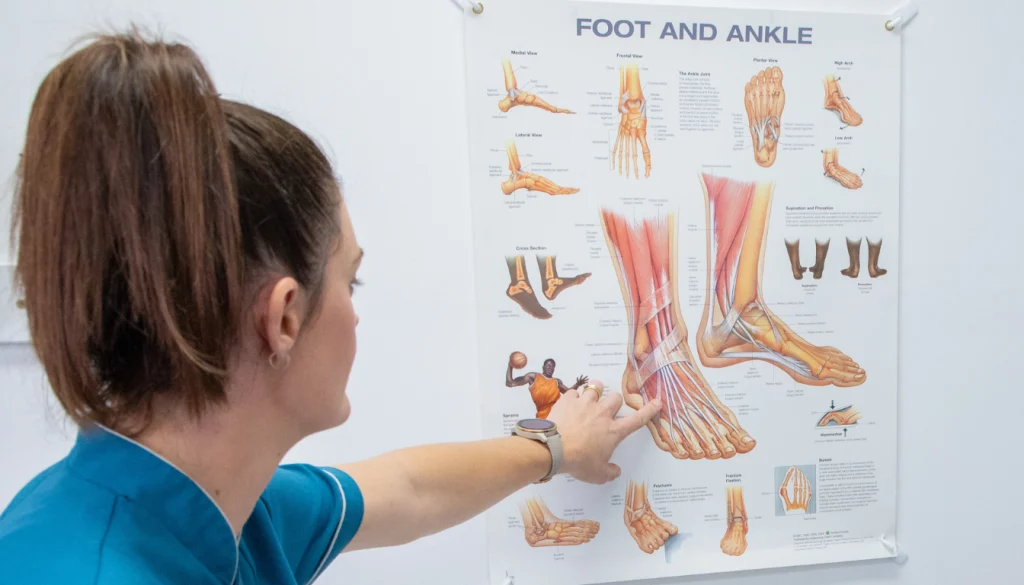
Foot health is one of the most commonly neglected areas of general well-being. Most people seek medical attention when pain becomes severe, yet many foot and ankle conditions respond far better to early intervention than to delayed treatment. At Expert Foot Care, our senior podiatrists across Brisbane’s northside bring over 15 years of experience to every assessment. We investigate thoroughly before recommending any treatment, and we always explain our reasoning clearly.
If you have been noticing changes in your feet, ankles, or nails and are unsure whether it warrants a professional assessment, this guide covers the five most common signs that it is time to book an appointment with a podiatrist in Ashgrove, Alderley, Enoggera, or the surrounding northside suburbs.
1. Persistent Heel or Foot Pain That Isn’t Improving
Foot pain that lingers for more than a few days is your body communicating that something needs attention. Sharp pain first thing in the morning, aching arches after long periods on your feet, or heel pain that eases briefly and then returns are all patterns that experienced podiatrists take seriously.
Conditions commonly behind persistent foot pain include:
- Plantar fasciitis – inflammation of the thick band of tissue running along the base of the foot, one of the most frequent causes of heel pain we assess at our Brisbane northside clinic
- Achilles tendinopathy – gradual degeneration of the Achilles tendon, often presenting as stiffness or aching at the back of the heel
- Stress fractures – small cracks in the bone caused by repetitive load, particularly common in runners and people who spend long hours on hard floors
- Tendinitis – inflammation of tendons around the foot and ankle that can develop gradually and worsen without treatment
The critical point with persistent foot pain is that early assessment prevents a manageable condition from becoming a complex one. Heel pain that is ignored for months often requires significantly more intensive treatment than the same condition caught early.
Our podiatrists conduct a full biomechanical assessment, review your footwear, and analyse your movement patterns before recommending any treatment. Conservative options, including custom orthotics, shockwave therapy, and targeted rehabilitation exercises, resolve the majority of foot pain cases without any need for invasive procedures.
If you have been managing heel pain or foot pain treatment in Brisbane’s northside and it is not improving, book an assessment with our team in Ashgrove or Alderley.
2. Swelling or Inflammation in Your Feet or Ankles
Occasional swelling after a long day on your feet is common and generally resolves with rest and elevation. Persistent swelling, swelling that appears without an obvious cause, or swelling accompanied by warmth, redness, or pain is a different matter entirely.
Conditions that commonly present with foot or ankle swelling include:
- Arthritis – both osteoarthritis and rheumatoid arthritis can cause inflammation, stiffness, and swelling in the joints of the foot and ankle
- Circulatory issues – poor blood flow to the lower limbs can cause fluid to accumulate in the feet and ankles
- Infection – bacterial infections in the foot, particularly around nails or wounds, can cause localised swelling and warmth
- Gout – a form of inflammatory arthritis that frequently affects the big toe joint and can cause sudden, intense swelling and pain
At Expert Foot Care, our podiatrists assess vascular health as part of a comprehensive foot examination. We use Doppler ultrasound to evaluate blood flow to the feet, providing an accurate picture of circulatory health that informs our treatment recommendations. This level of diagnostic assessment is particularly important for older patients and those managing chronic health conditions.
Swelling that is left unassessed can mask underlying conditions that worsen without treatment. If you have been experiencing persistent swelling or inflammation in your feet or ankles, an assessment with our Northside Brisbane team is the appropriate next step.
3. Changes in Nail Colour, Thickness or Texture
Healthy toenails are generally smooth, consistent in colour, and lie flat against the nail bed. Changes in any of these characteristics often indicate a condition that warrants professional assessment.
Common nail changes and what they may indicate:
- Yellowing, thickening, or crumbling edges – these are the classic signs of a fungal nail infection. The discolouration typically begins at the tip or edge of the nail and gradually spreads toward the base. Fungal nail treatment is most effective when addressed early, before the infection spreads to adjacent nails.
- Redness, swelling, or pain along the nail edge – these symptoms often indicate an ingrown toenail, a condition our podiatrists treat regularly across Ashgrove, Alderley, and Enoggera.
- Dark discolouration or bruising under the nail – this can result from trauma, repetitive pressure from footwear, or, in some cases, may indicate a more serious condition requiring prompt assessment.
- Nail separation from the nail bed – known as onycholysis- can occur as a result of fungal infection, trauma, or systemic health conditions.
Nail conditions that appear minor can escalate into infections if left untreated, particularly in patients with diabetes or compromised circulation. Our team provides thorough nail assessments and tailors treatment to the specific condition rather than applying a one-size-fits-all approach.
4. Difficulty Walking, Gait Changes or Balance Problems
Changes in the way you walk, recurring trips or stumbles, or a feeling of instability on your feet are signs that deserve professional evaluation. These symptoms can develop gradually and are sometimes dismissed as a normal part of ageing, but they rarely resolve without targeted intervention.
Common causes include:
- Flat feet or fallen arches – when the arch of the foot collapses, it alters the alignment of the entire lower limb, affecting the knee, hip, and lower back as well as the foot itself. Flat feet treatment through custom orthotics and targeted strengthening exercises can produce significant improvements in both comfort and stability.
- Peripheral neuropathy – reduced sensation in the feet caused by nerve damage, most commonly associated with diabetes. Neuropathy affects proprioception, the body’s ability to sense its position in space, which directly impacts balance and gait.
- Structural abnormalities – conditions such as high arches, leg length discrepancy, or toe deformities can alter gait mechanics and place uneven load through the foot, ankle, knee, and hip.
- Ankle instability – previous sprains that have not been fully rehabilitated can leave the ankle joint vulnerable to repeated injury and progressive instability.
Our gait analysis assessment examines your movement patterns in detail, identifying the underlying biomechanical factors contributing to your symptoms. This diagnostic approach allows us to address the root cause rather than managing symptoms in isolation.
5. Bunions, Corns or Calluses Causing Pain or Discomfort
Bunions, corns, and calluses are often assumed to be minor cosmetic concerns. In many cases, they are the visible result of an underlying biomechanical issue that, if left unaddressed, will continue to progress.
Bunions are a bony prominence that develops at the base of the big toe as the joint gradually shifts out of alignment. In the early stages, conservative management through custom orthotics, footwear modification, and targeted exercises can slow progression and manage discomfort effectively. Bunion treatment in Brisbane’s northside begins with a full assessment of the contributing factors before any intervention is recommended.
Corns are areas of thickened, hardened skin that develop in response to repeated pressure or friction. They are often a signal that footwear is not fitting correctly or that an underlying structural issue is creating abnormal pressure points.
Calluses are broader areas of thickened skin, also caused by friction and pressure. While they develop as a protective response, calluses that become thick or cracked can cause significant discomfort, particularly in older adults and diabetic patients, where skin integrity is especially important.
None of these conditions requires surgical intervention as a first response. Our podiatrists assess the underlying cause of each condition and recommend conservative treatment options first. Where surgical referral is genuinely warranted after conservative options have been appropriately explored, we manage that process transparently and support our patients throughout.
When Symptoms Need Prompt Attention
Most foot conditions benefit from early assessment but are not emergencies. The following symptoms, however, warrant prompt podiatric or medical attention rather than a routine booking:
- An open wound or ulcer on the foot, particularly in diabetic patients
- Signs of infection, including spreading redness, warmth, pus, or fever
- Sudden severe pain or swelling following an injury
- Complete loss of sensation in the foot or toes
- Significant colour change in the foot, such as pallor, blue or purple discolouration
If you are experiencing any of these symptoms, contact our clinic directly by phone or seek urgent medical care if the clinic is not immediately available.
A Note for Older Adults
Our team are experts in treating the 55+ demographic, and we understand that foot health concerns present differently as we age. Circulation slows, skin becomes more fragile, healing takes longer, and conditions like arthritis and neuropathy become more common. None of these changes is an inevitable complication, and most respond well to proactive podiatric care.
Regular podiatry appointments for patients over 55 allow our team to monitor changes over time, address small problems before they become large ones, and provide footwear and activity advice that supports independence and mobility. Patients across Ashgrove, Alderley, Enoggera, and Brisbane’s northside suburbs are welcome to discuss a regular care schedule with our team.
A Note for Diabetic Patients
Diabetes affects circulation and nerve function in the lower limbs, which means foot problems that might be minor in a non-diabetic patient can escalate rapidly in someone managing diabetes. Reduced sensation means injuries and infections may not be noticed until they are already advanced.
Our diabetic foot care assessments include a thorough review of skin integrity, nail health, circulation, and sensation. We provide clear guidance on daily foot care, appropriate footwear, and the warning signs that require immediate attention. Regular assessment is the most effective way to prevent serious complications and protect long-term foot health.
A Note for Athletes and Active Patients
High training loads, repetitive impact, and sport-specific movement patterns place significant demands on the feet and ankles. Conditions, including stress fractures, plantar fasciitis, Achilles tendinopathy, and ankle instability, are all common presentations in our sports podiatry clinic.
Active patients often push through pain longer than they should, which turns manageable conditions into injuries requiring extended recovery. Our sports podiatry team assesses both the injury and the contributing biomechanical factors, providing a treatment plan that supports a return to activity as efficiently as possible.
What to Expect at Your First Appointment
Many patients delay booking a podiatry appointment simply because they are unsure what to expect. Our first consultations are thorough, relaxed, and free of pressure.
Your initial assessment at Expert Foot Care includes:
- A detailed discussion of your symptoms, health history, and lifestyle
- A physical examination of your feet, ankles, and lower limbs
- Gait and biomechanical assessment were relevant
- Vascular and neurological screening was indicated
- A clear explanation of our findings and what we recommend, with full reasoning provided
We do not recommend treatments until we understand your condition fully. Every treatment plan is personalised and discussed transparently before anything proceeds.
New patients are welcome to ask about our complimentary comprehensive foot health assessment when booking. Call us on [PHONE NUMBER] to find out more.
Frequently Asked Questions
How do I know if my foot pain is serious enough to see a podiatrist?
If foot pain has persisted for more than a few days, is affecting the way you walk, or is limiting your daily activity, it warrants a professional assessment. Early intervention consistently produces better outcomes than waiting for pain to become severe.
Can a podiatrist help with arthritis in my feet?
Yes. Our podiatrists assess and manage arthritis-related foot and ankle pain regularly. Custom orthotics, footwear advice, and targeted exercises can significantly reduce discomfort and improve mobility for patients managing arthritis.
Do I need a referral to see a podiatrist?
No referral is required to book an appointment at Expert Foot Care. You can book directly by phone or online.
How often should I have my feet checked?
For most adults, an annual foot assessment is appropriate. Patients managing diabetes, arthritis, or circulation issues benefit from more frequent assessments, typically every three to six months. Our team will advise on the right schedule for your specific circumstances.
Is podiatry covered by private health insurance?
Many private health funds cover podiatry services under extras cover. We recommend checking your specific policy before your appointment. Our team can provide the relevant item numbers to assist with your claim.
What should I bring to my first appointment?
Bring any footwear you wear regularly, including work shoes, sports shoes, and casual shoes. If you have any previous imaging, such as X-rays or ultrasounds, relevant to your foot or ankle, bring those along as well. Wear or bring any orthotics you currently use.
Book a Foot Assessment at Our Brisbane Northside Clinic
Foot problems rarely resolve on their own, and the longer a condition is left unmanaged, the more involved the treatment typically becomes. Our senior podiatrists at Expert Foot Care are here to assess your symptoms thoroughly, explain what is happening, and recommend the most appropriate and conservative path forward.
📞 Call us on (07) 3256 8638
🌐 Book online at https://expertfootcare.com.au/booking/
📍 Serving Ashgrove, Alderley, Enoggera, Everton Park, Stafford, Wilston and surrounding Brisbane northside suburbs