Running is a great way to stay active, but it can take a toll on your feet for both professional athletes and social runners. From blisters to black toenails, foot issues can disrupt your training or even sideline you entirely. Here’s how to keep your feet healthy, comfortable, and ready to hit the pavement.
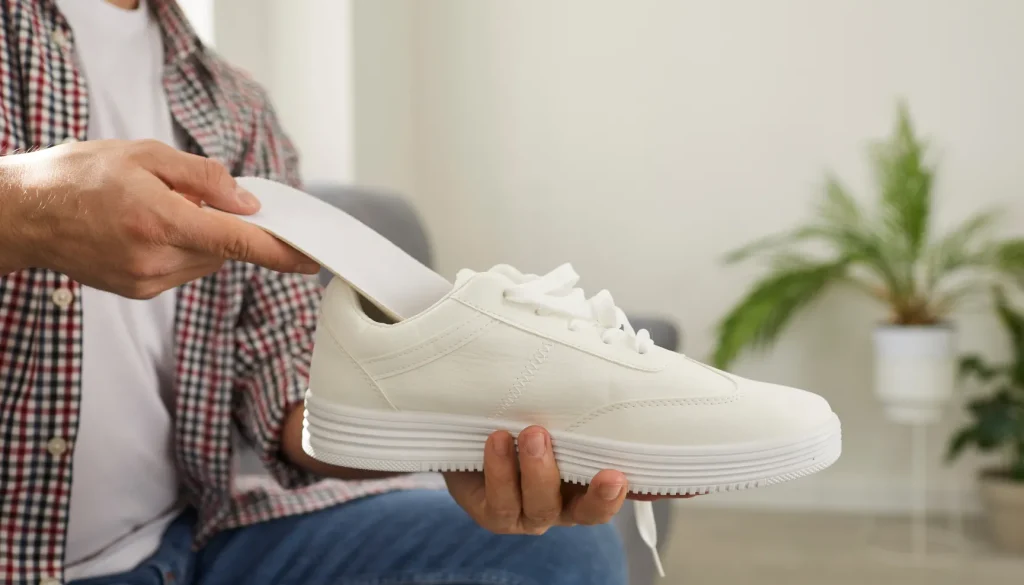
Start by choosing the right shoes. Get professionally fitted based on your foot shape and running style, and remember to replace your shoes every 600–800 km. Don’t follow trends — comfort and support are key.
Next, wear proper running socks.
- Avoid cotton (it traps moisture).
- Choose moisture-wicking fabrics like synthetics or merino wool.
- Try double-layer socks to reduce friction and prevent blisters.
Trim your toenails regularly to avoid bruising or black toenails. Cut them straight across and smooth the edges with a nail file.
Keep your feet soft and crack-free by moisturising daily, especially after showers. Focus on dry areas like your heels and soles.
To prevent blisters:
- Apply anti-friction products or blister tape on high-risk areas.
- Use properly fitted socks and shoes.
- If a blister forms, clean it gently and cover it with a blister pad — don’t pop it unless necessary.
Good hygiene matters.
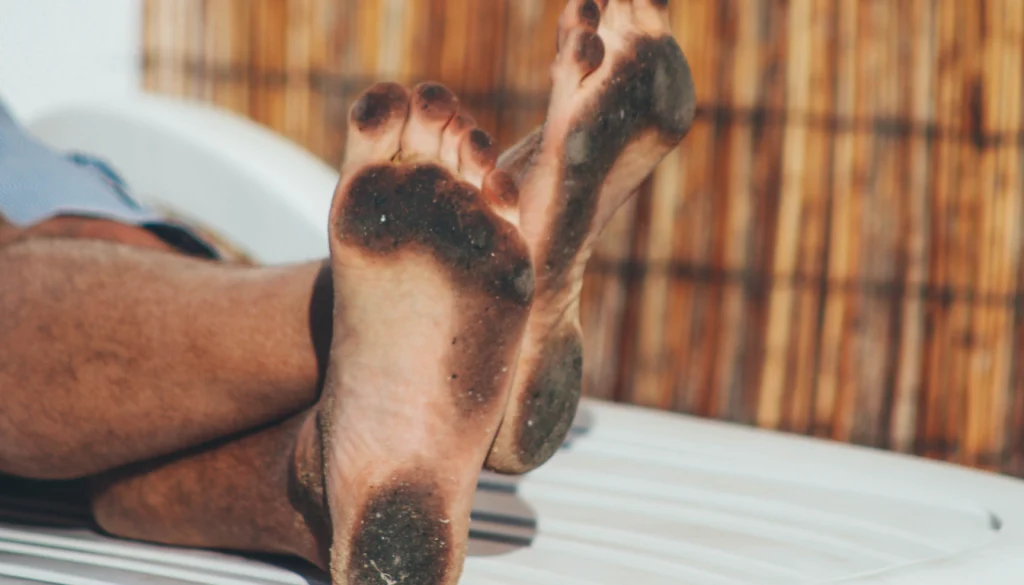
- Wash and dry your feet thoroughly after every run.
- Rotate your shoes so they dry between uses.
Use antifungal spray or powder if needed.
Strengthen your feet to avoid overuse injuries:
- Do exercises like towel scrunches or toe spreads.
- Roll your foot over a tennis or massage ball to relieve tension.
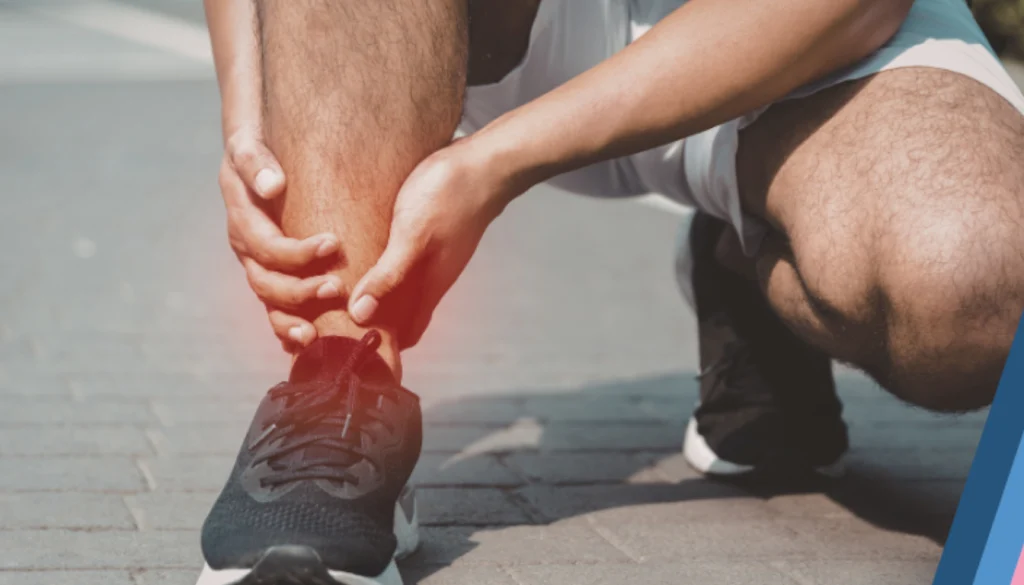
Finally, listen to your feet. Persistent pain, hot spots, or discomfort shouldn’t be ignored; they could be signs of bigger issues like plantar fasciitis or tendonitis.
Quick Answers
How can runners prevent foot injuries?
Runners can reduce foot injuries by increasing training gradually, wearing suitable running shoes, managing recovery, strengthening the feet and lower legs, and addressing persistent pain early.
What are the most common foot problems for runners?
Common running-related foot problems include blisters, plantar fasciitis, heel pain, Achilles tendon problems, toenail injuries, stress injuries and pain associated with excessive training load.
When should a runner see a podiatrist?
Runners should consider seeing a podiatrist when foot or ankle pain persists, repeatedly returns, changes their running gait or prevents normal training, walking or competition.
Can a podiatrist help improve running performance?
A podiatrist can assess foot function, running mechanics, footwear and injury risk factors, then provide personalised strategies to improve comfort, manage injuries and support a safe return to running.
Where can runners see a sports podiatrist in Brisbane?
Runners across Brisbane Northside can access sports podiatry in Alderley, where assessment and treatment can address running-related foot and lower-limb problems, footwear and injury prevention.
Running Foot Care FAQs & Key Facts
How often should runners check their feet?
Runners should regularly check their feet for blisters, hot spots, cuts, swelling, bruising, skin irritation and toenail problems, particularly after longer or more intense training sessions.
Why do my feet hurt after running?
Foot pain after running can be associated with increased training load, footwear, running surfaces, biomechanics, inadequate recovery or an underlying injury. Persistent pain deserves professional assessment.
Is it normal for your feet to hurt after running?
Mild temporary muscle soreness can occur after unfamiliar activity, but persistent, worsening or recurring foot pain should not be considered a normal part of running.
How can runners prevent blisters?
Well-fitting running shoes, appropriate socks, moisture management and reducing friction can help prevent blisters. Recurring blisters may indicate that footwear fit or running mechanics need attention.
Why do my toenails hurt after running?
Toenail pain can occur when toes repeatedly contact the front or sides of running shoes, particularly during longer runs or downhill running. Appropriate footwear fit and nail care can help.
How should runners choose the right running shoes?
Running shoes should provide an appropriate fit, adequate room for the toes and suitable cushioning and support for the individual. Comfort and intended running conditions should also be considered.
Can old running shoes cause foot pain?
Worn running shoes may provide less cushioning, stability or protection than when new. If discomfort develops alongside visibly deteriorated footwear, replacing or assessing your shoes may be worthwhile.
How quickly should I increase my running distance?
There is no universal percentage increase that suits every runner. Training should progress according to your current fitness, previous injury history, recovery and how your body responds to increased load.
Can running cause plantar fasciitis?
Running involves repetitive loading of the feet and can contribute to plantar fascia irritation, particularly when training volume or intensity changes quickly or other contributing factors are present.
Why do runners get heel pain?
Heel pain in runners can have several possible causes, including plantar fascia problems, tendon issues, bone stress injuries and other conditions. Accurate assessment is important because treatment depends on the cause.
Can a podiatrist help with running injuries?
Yes. A podiatrist can assess many running-related foot and lower-limb problems, including heel pain, plantar fasciitis, Achilles tendon issues, stress injuries, blisters and biomechanical concerns.
What happens during a running gait assessment?
A running assessment may examine how your feet and lower limbs move during walking or running, alongside footwear, training history, symptoms and previous injuries to identify relevant contributing factors.
Do runners need custom orthotics?
Not every runner needs custom orthotics. They may be appropriate for some individuals depending on their symptoms, foot function, biomechanics and specific injury history. Assessment should determine whether they are beneficial.
Should I keep running if my foot hurts?
It depends on the cause and severity of the pain. Continuing to run through persistent or worsening pain can aggravate some injuries, so professional assessment may be appropriate.
What should I do if foot pain keeps coming back when I run?
Recurring pain should be investigated rather than repeatedly ignored. A podiatrist can assess training load, footwear, biomechanics, previous injury and other factors that may contribute to repeated symptoms.
How can runners look after their feet during Brisbane’s hot weather?
Hot conditions can increase sweating and friction, contributing to blisters and skin irritation. Breathable footwear, suitable socks, hydration and allowing shoes to dry between runs can support foot comfort.
When should I see a podiatrist for a running injury in Brisbane?
Book a podiatry assessment if running pain persists, repeatedly returns, changes your running technique, limits training or affects everyday walking. Early assessment can help identify contributing factors.
Is sports podiatry useful for recreational runners?
Yes. Sports podiatry is not only for elite athletes. Recreational runners can benefit from assessment and advice around injuries, footwear, training loads, biomechanics and maintaining comfortable participation.
Where can I find a podiatrist for runners in Brisbane Northside?
Runners throughout Brisbane Northside can access sports podiatry services in Alderley. A local clinic can provide convenient assessment and follow-up when managing an injury or working toward a return to running.
Is Expert Foot Care a podiatrist for runners in Alderley?
Expert Foot Care provides sports podiatry services from its Alderley clinic, supporting runners with foot and lower-limb injuries, footwear advice, biomechanics, orthotics and strategies for returning to activity.