Foot surgery is not a decision any experienced podiatrist takes lightly. At Expert Foot Care, our senior podiatrists, each with over 15 years of experience, work through every appropriate conservative option before a surgical pathway is ever discussed. For the majority of patients we see across Ashgrove, Alderley, Enoggera, and Brisbane’s northside, lasting relief is achievable without surgery.
That said, there are situations where conservative treatment has been genuinely exhausted and surgical intervention becomes the most responsible recommendation. This guide explains how we identify those situations, what the process looks like, and what patients can expect at every stage.
Our Approach: Conservative Care First
Expert Foot Care’s foundation is built on transparency and finding effective solutions before recommending high-cost or invasive treatments. Every patient receives a thorough assessment before any treatment plan is proposed. We test, analyse, and investigate before we recommend.
For most foot and ankle conditions, our conservative treatment pathway includes:
- Custom orthotics to correct biomechanical imbalances and offload painful areas
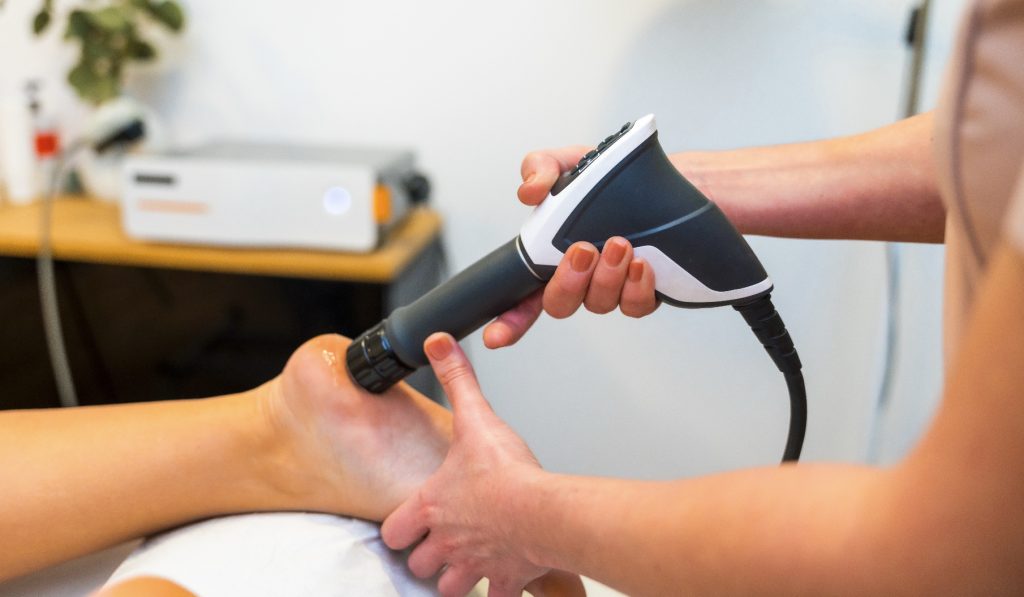
- Shockwave therapy for chronic heel pain, plantar fasciitis, and soft tissue conditions
- Laser therapy for pain reduction and tissue healing in the foot and lower limb
- Gait analysis and biomechanical assessment to identify underlying movement patterns contributing to pain
- Footwear advice tailored to your activity level, foot type, and daily demands
- Targeted rehabilitation exercises to strengthen and support affected structures
Surgery only enters the conversation when these approaches have been applied appropriately, and pain or dysfunction persists. We always explain our reasoning clearly so patients understand exactly why a surgical referral is being considered.
Persistent Foot or Heel Pain That Won’t Respond to Treatment
Chronic pain is one of the most common reasons patients are eventually referred for surgical assessment. Conditions like plantar fasciitis, Achilles tendinopathy, and neuromas respond well to conservative care in most cases. When they do not, continuing to manage symptoms without addressing the underlying structural problem is not in the patient’s best interest.
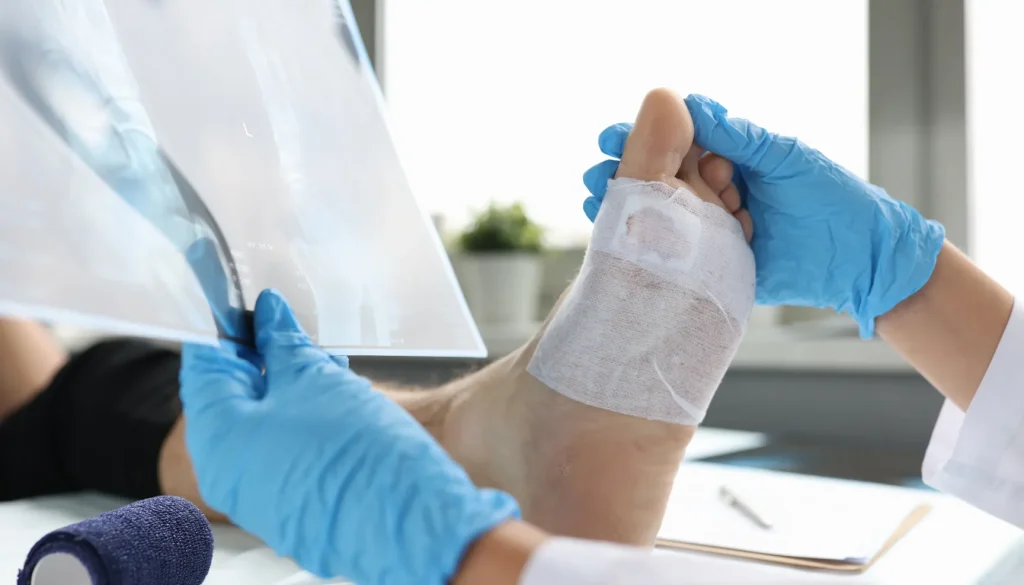
At our foot clinic, we document the full conservative treatment history before any surgical discussion takes place. If a patient has completed an appropriate course of orthotics, shockwave therapy, and rehabilitation without adequate improvement, we present the surgical option honestly, explain what it involves, and support the patient in making an informed decision.
Patients across Brisbane’s northside experiencing heel pain, arch pain, or persistent ankle pain that has not improved with prior treatment are encouraged to book a thorough assessment with our team before concluding that surgery is unavoidable.
Bunions, Hammertoes and Structural Foot Conditions
Structural deformities such as bunions and hammertoes are progressive conditions. In their early stages, custom orthotics, footwear modification, and targeted exercises can slow progression and manage discomfort effectively. Many patients manage these conditions for years without requiring surgery.
However, when a bunion or hammertoe reaches a point where it is causing significant pain, affecting gait, or making it impossible to wear supportive footwear, surgical correction may produce outcomes that conservative care simply cannot match.
Our podiatrists assess structural conditions carefully, tracking changes over time and advising patients honestly about where they are in the progression. We never recommend surgery prematurely. Equally, we do not delay the conversation when it genuinely serves the patient’s long-term mobility and quality of life.
If you have been managing a bunion or hammertoe and are noticing increasing discomfort, our team at Expert Foot Care can provide a detailed assessment and clear guidance on your current options.
Foot and Ankle Injuries With Ongoing Instability
Most foot and ankle fractures and ligament injuries heal well with appropriate conservative management. Immobilisation, rehabilitation, and gradual return to activity resolve the majority of cases without surgical intervention.
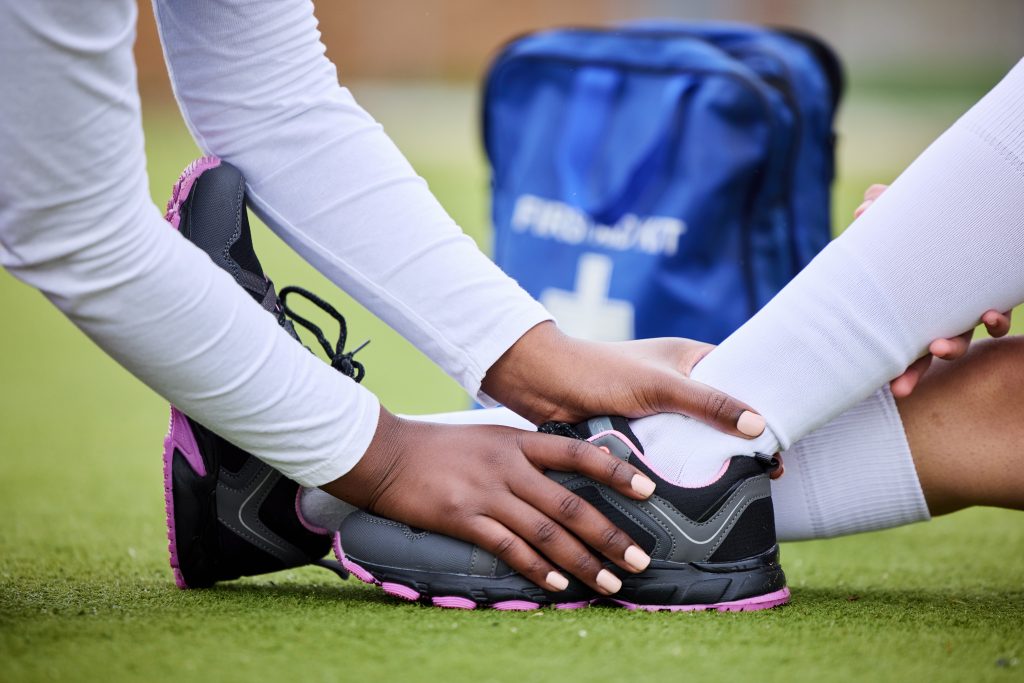
Problems arise when injuries are not treated promptly, when healing is incomplete, or when repeated injury has created structural instability that conservative treatment cannot adequately address. Chronic ankle instability, for example, can significantly increase the risk of further injury and long-term joint damage if left unaddressed.
For active patients and athletes in particular, ongoing instability is not just a pain issue. It affects performance, confidence, and long-term joint health. Our sports podiatry team assesses both the injury and the contributing biomechanical factors. Where surgical referral is appropriate, we coordinate this clearly and support the patient through the process.
Severe Infections and Diabetic Foot Complications
For patients managing diabetes, foot infections carry risks that extend well beyond the foot itself. Reduced circulation and impaired sensation mean infections can escalate quickly and may not be detected until they are already advanced.
In severe cases, surgical debridement or removal of infected tissue may be necessary to prevent the spread of infection and protect the patient’s overall health. This is not a situation that develops suddenly in patients receiving regular podiatric care. Consistent monitoring and early intervention are precisely what preventive diabetic foot management is designed to avoid.
Our team provides diabetic foot care across Brisbane’s northside, with thorough assessments covering skin integrity, vascular health, and nail condition at every visit. Patients with diabetes in Ashgrove, Alderley, Enoggera, and surrounding suburbs are strongly encouraged to maintain regular podiatry appointments rather than waiting for a problem to develop.
Flat Feet and Conditions That Progress Over Time
Severe flat foot deformity, particularly adult-acquired flatfoot, can cause significant pain and functional limitation as it progresses. Conservative management through orthotics, footwear support, and strengthening is effective in many cases and represents the appropriate starting point for every patient.
Where conservative management has not provided adequate relief, and the condition continues to affect daily function, surgical reconstruction may be discussed. This is a significant procedure with a substantial recovery period, and it is only considered after a thorough assessment and honest discussion about realistic outcomes.
Similarly, conditions such as clubfoot that persist into adulthood and cause ongoing functional issues may require surgical review when non-surgical options have been exhausted. Our podiatrists provide detailed assessments and coordinate referrals to trusted surgical specialists when required.
How We Approach Surgical Referrals at Expert Foot Care
Expert Foot Care does not perform surgical procedures. Our role in the surgical pathway is to ensure every patient arrives at that decision with complete clarity, having genuinely exhausted the appropriate conservative options first.
Our surgical referral process involves:
- Thorough documentation of the full conservative treatment history and outcomes
- Clear explanation of why conservative treatment has reached its limits for the specific condition
- Honest discussion of what surgery involves, realistic recovery expectations, and potential risks
- Referral to trusted surgical specialists with whom we have established working relationships
- Ongoing podiatric support before and after surgery, including rehabilitation planning and orthotic management during recovery
Patients are never pressured into a surgical pathway. Every referral is made because our experienced podiatrists genuinely believe it represents the best outcome for that individual patient.
Special Considerations for Older Adults
Our team is a specialist in treating the 55+ demographic, and surgical decisions for older patients require additional careful consideration. Healing time is generally longer, anaesthesia carries a greater risk, and the impact of a significant recovery period on independence and daily activity is more pronounced.
For older adults, we place particular emphasis on exhausting conservative options thoroughly before any surgical discussion. Custom orthotics, laser therapy, and targeted footwear advice often produce meaningful improvements in pain and mobility for older patients that reduce or eliminate the need for surgical intervention.
Where surgery is genuinely the most appropriate path forward, we ensure older patients have full clarity about what recovery involves and that appropriate support is in place before they proceed. We also maintain close communication with GPs and other treating health professionals throughout the process.
Regular podiatry care for patients over 55 in Ashgrove, Alderley, Enoggera, and across Brisbane’s northside is one of the most effective ways to manage foot health proactively and avoid more complex interventions down the track.
What to Expect After a Surgical Referral
Receiving a surgical referral from your podiatrist is the beginning of a process, not an immediate commitment to an operation. The surgical specialist will conduct their own thorough assessment and may recommend further conservative management, imaging, or alternative approaches before confirming that surgery is the right course of action.
Recovery timelines vary significantly depending on the procedure. Minor procedures may allow return to normal activity within a few weeks. More complex reconstructive surgeries can involve several months of recovery, including periods of non-weight-bearing, physiotherapy, and gradual rehabilitation.
Throughout this process, our podiatrists remain involved. We support patients with orthotic management, footwear guidance, and rehabilitation planning to ensure the best possible outcome and reduce the risk of recurrence.
Frequently Asked Questions
Will my podiatrist perform the surgery?
No. Podiatrists in Australia assess, diagnose, and manage foot and ankle conditions conservatively. Where surgery is required, we refer to trusted orthopaedic or podiatric surgeons. We remain involved in your care throughout the pre- and post-surgical process.
How do I know if I’ve exhausted conservative treatment?
Your podiatrist will track your progress through each stage of conservative management and advise you honestly when the evidence suggests further conservative treatment is unlikely to produce meaningful improvement. This conversation is always clear, transparent, and free of pressure.
Does surgery guarantee the pain will go away?
Surgical outcomes vary depending on the condition, the patient’s overall health, and how well the post-operative rehabilitation is managed. Your podiatrist and the referring surgeon will provide realistic outcome expectations specific to your situation. We do not overstate what surgery can achieve.
How long will recovery take?
Recovery depends entirely on the procedure. Your surgical specialist will provide a detailed recovery timeline at your consultation. Our team supports you through the rehabilitation phase regardless of how long it takes.
Can I get a second opinion before proceeding with surgery?
Absolutely. We encourage patients to feel completely confident before proceeding with any surgical pathway. A second opinion is always a reasonable and sensible step, and our team will support you in obtaining one.
Book a Foot Assessment at Our Brisbane Northside Clinic
If you have been managing persistent foot pain, a structural condition, or a recurring injury and are unsure whether surgery is the right next step, start with a thorough assessment from our experienced team.
At Expert Foot Care, we investigate before we recommend, explain before we proceed, and always prioritise the most effective solution for your specific situation.
📞 Call us on (07) 3256 8638
🌐 Book online at https://expertfootcare.com.au/booking/
📍 Serving Ashgrove, Alderley, Enoggera, Everton Park, Stafford, Wilston and surrounding Brisbane northside suburbs