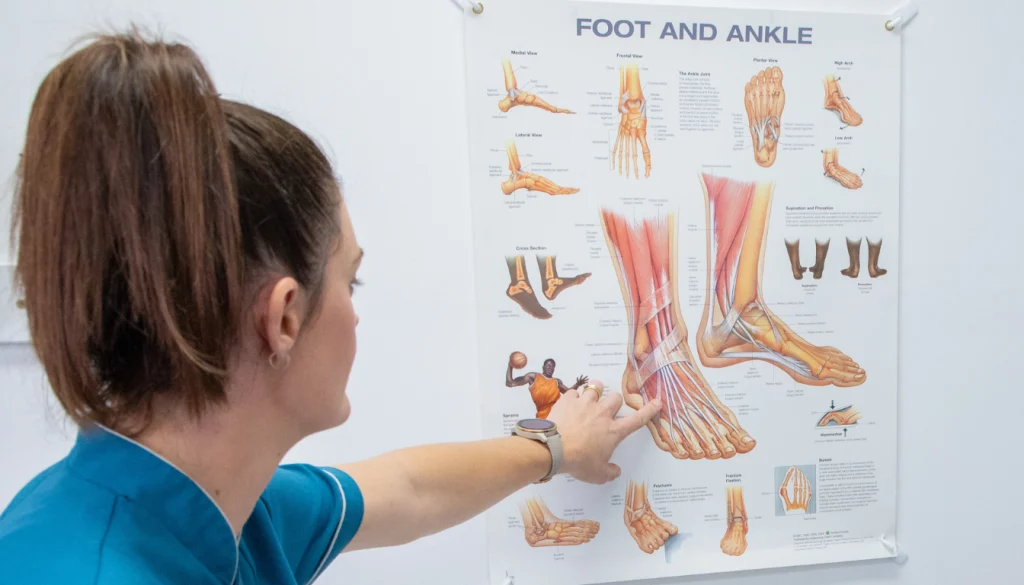
If you’re experiencing persistent heel pain, especially in the morning, you may be dealing with plantar fasciitis. This common condition affects many individuals, especially those in Brisbane’s active lifestyle. In this blog post, we’ll delve into the symptoms, causes, and effective treatments for plantar fasciitis, empowering you to take control of your foot health.
What is Plantar Fasciitis?
Plantar fasciitis is an inflammation and irritation of the plantar fascia, a thick band of tissue that runs across the bottom of your foot, connecting your heel bone to your toes. This condition commonly results from overuse or excessive strain, leading to pain that can be both debilitating and frustrating.
Symptoms of Plantar Fasciitis
The primary symptom of plantar fasciitis is heel pain, which typically manifests as:
- Sharp Pain: A stabbing pain in the heel, especially noticeable in the morning or after sitting for long periods. Sometimes this can also be described as a ‘stone bruise’ type feeling on the heel.
- Stiffness: Discomfort may lessen with movement but can return after prolonged inactivity.
- Swelling: Some patients experience localised swelling in the heel area, particularly after intense physical activity.
- Pain After Exercise: Unlike some sports injuries, the pain often worsens after the activity rather than during exercise. This can result in an obvious limp.
Understanding these symptoms is the first step toward seeking the proper treatment.
Causes of Plantar Fasciitis
Several factors can contribute to the development of plantar fasciitis:
- Overuse: Activities that involve repetitive stress on the foot, such as running, jumping, or prolonged standing, can lead to inflammation.
- Foot Mechanics: Flat feet, high arches, or an abnormal walking pattern can place excess strain on the plantar fascia.
- Age: As we age, the plantar fascia can become less flexible and resilient, increasing the risk of injury.
- Lifestyle Factors: Being overweight or wearing non-supportive shoes can exacerbate the strain on your feet.
- Occupational Hazards: Jobs that require prolonged standing or walking on hard surfaces can contribute to the development of plantar fasciitis.
- Hormonal Influences: Particularly for females during pregnancy and menopause. Hormone changes can lead to fluctuations in inflammation in the body and changes in collagen or elasticity of soft tissue.
Effective Treatments for Plantar Fasciitis
Fortunately, there are several effective treatment options available for plantar fasciitis:
- Rest and Ice: Giving your feet a break is essential. Applying ice packs to the affected area can help reduce inflammation and relieve pain.
- Stretching Exercises: Engaging in regular stretching of the calves and plantar fascia can improve flexibility and alleviate pain. Consider including exercises like toe stretches and calf raises into your routine.
- Shoe Modifications: Wearing shoes that offer proper arch support and cushioning can significantly reduce pressure on the plantar fascia. Avoid wearing high heels and thongs, as they may exacerbate the condition. Also avoid walking barefoot on hard surfaces.
- Orthotic Inserts: Custom orthotics can provide additional support and help distribute pressure evenly across the foot.
- Physical Therapy: A physical therapist can design a tailored program to strengthen foot muscles and improve flexibility.
- Medications: Over-the-counter anti-inflammatory medications can help manage pain and reduce swelling.
- Injections and Surgery: In more severe cases, corticosteroid injections or surgery may be necessary. These options are typically considered only after conservative treatments have been unsuccessful.
Plantar fasciitis can significantly affect your quality of life, but understanding the symptoms, causes, and treatments is the first step toward recovery. If you’re in Brisbane and experiencing heel pain, don’t hesitate to contact our podiatry clinic. Our team of expert senior podiatrists are here to provide personalised treatment plans and support you on your journey to healthier feet.
To schedule an appointment or to learn more about how we can help, contact us today. Take the first step toward pain-free living with our dedicated podiatric care!
Quick Answers
What are the first signs of plantar fasciitis?
The most common symptom is pain underneath the heel, often worst with the first steps in the morning or after sitting or resting for a prolonged period.
What causes plantar fasciitis?
Plantar fasciitis is associated with excessive or repeated stress on the plantar fascia. Contributing factors can include running, prolonged standing, rapid increases in activity, foot mechanics and unsupportive footwear.
Can plantar fasciitis go away on its own?
Some cases improve with time and appropriate conservative care, but symptoms can persist for weeks or months. Persistent heel pain should be professionally assessed to confirm the cause.
What is the best treatment for plantar fasciitis?
Treatment depends on the individual and may include activity modification, supportive footwear, exercises, orthotics or other therapies following an assessment of the cause of the heel pain.
When should I see a podiatrist for heel pain?
Consider professional assessment when heel pain persists, worsens, repeatedly returns or affects your ability to walk, work, exercise or complete normal daily activities.
Frequently Asked Questions About Plantar Fasciitis and Heel Pain
What does plantar fasciitis feel like?
Plantar fasciitis commonly causes sharp, stabbing or aching pain underneath the heel. Some people also experience discomfort or burning along the bottom of the foot.
Why is plantar fasciitis worse in the morning?
Heel pain associated with plantar fasciitis is often most noticeable during the first steps after getting out of bed and may also occur after prolonged periods of sitting or resting.
Can plantar fasciitis cause pain after sitting?
Yes. Plantar fasciitis commonly causes “start-up pain” when standing and walking after prolonged rest, such as sitting at work, travelling or getting out of bed.
Where is plantar fasciitis pain located?
Pain is most commonly felt underneath the heel or along the sole of the foot, although the precise location and symptoms can vary between individuals.
What causes heel pain besides plantar fasciitis?
Heel pain can have several causes, including Achilles tendon problems, arthritis, stress fractures, bruising, nerve compression and other foot conditions, making an accurate assessment important.
Can running cause plantar fasciitis?
Running places repeated load through the feet and may contribute to plantar fascia pain, particularly when training volume or intensity increases rapidly or other contributing factors are present.
Can standing all day cause plantar fasciitis?
Spending long periods on your feet may increase stress on the plantar fascia. Prolonged standing, particularly on hard surfaces, can be a contributing factor to heel pain.
Can poor footwear cause plantar fasciitis?
Footwear is one potential contributing factor. Shoes with inadequate support or cushioning may increase stress on the feet, particularly during prolonged standing, walking or physical activity.
Can flat feet cause plantar fasciitis?
Flat feet may alter how forces are distributed through the foot and are recognised as one factor associated with plantar fasciitis. However, not everyone with flat feet develops heel pain.
Can high arches cause plantar fasciitis?
High arches can also be associated with plantar fasciitis because foot structure may influence how forces are distributed during standing, walking and physical activity.
Is plantar fasciitis the same as a heel spur?
No. Plantar fasciitis involves the plantar fascia, while a heel spur is a bony growth. Some people have heel spurs without pain, and the two conditions should not be considered interchangeable.
Do heel spurs always cause pain?
No. A heel spur can be present without causing symptoms. Heel pain may instead arise from surrounding tissues or another underlying foot condition.
What exercises help plantar fasciitis?
Exercises that address calf flexibility, plantar fascia mobility and foot or lower-leg strength may form part of treatment. The most appropriate program depends on the individual’s symptoms and contributing factors.
Should I stretch if I have plantar fasciitis?
Stretching can form part of a management program for plantar fasciitis, particularly when calf or foot tightness contributes to symptoms. Persistent or worsening pain should be professionally assessed.
Should I keep walking with plantar fasciitis?
The appropriate level of activity depends on the severity and cause of your pain. Continuing activities that consistently worsen symptoms may delay recovery or aggravate the problem.
Is it okay to run with plantar fasciitis?
Some people may need to temporarily modify running while their symptoms settle. The safest approach depends on pain severity, training demands and the underlying contributors to the condition.
What are the best shoes for plantar fasciitis?
Suitable footwear varies between individuals, but supportive and well-fitting shoes with appropriate cushioning can help reduce stress on the feet during daily activities.
Can orthotics help plantar fasciitis?
Orthotics or arch supports may help some people by altering pressure and loading through the foot. A podiatrist can determine whether they are appropriate following an individual assessment.
Can shockwave therapy help plantar fasciitis?
Shockwave therapy is one treatment option used for persistent plantar fasciitis. Its suitability depends on your diagnosis, symptom duration and response to other management approaches.
How long does plantar fasciitis take to heal?
Recovery time varies considerably depending on the severity of symptoms, contributing factors and treatment approach. Plantar fasciitis may persist for weeks or months in some individuals.
Why does my plantar fasciitis keep coming back?
Recurring heel pain may occur when contributing factors such as activity demands, footwear, calf tightness or foot mechanics have not been adequately addressed. A professional assessment can help identify these factors.
Can plantar fasciitis cause ankle, knee or hip pain?
Persistent foot pain can alter your walking pattern and affect how you move. Ongoing changes in gait may place additional stress on other areas of the lower limb.
How is plantar fasciitis diagnosed?
Diagnosis typically involves discussing your symptoms and activity history and examining your foot and lower leg. Imaging may sometimes be used to rule out other causes of heel pain.
When should I see a podiatrist for plantar fasciitis?
A podiatry assessment may be appropriate when heel pain persists, repeatedly returns, becomes more severe or interferes with your work, exercise or everyday activities.
How much does plantar fasciitis treatment cost in Brisbane?
Treatment costs depend on the type of assessment and therapies required. Contact the clinic directly for current consultation fees and information about potential Medicare or private health rebates.
Where can I see a podiatrist for heel pain near Alderley?
People in Alderley, Enoggera, Newmarket and surrounding Brisbane Northside suburbs can access local podiatry care for persistent heel pain and plantar fasciitis.
Can Expert Foot Care help with plantar fasciitis in Brisbane?
Expert Foot Care provides podiatry assessment and personalised treatment options for plantar fasciitis and other causes of heel pain from its Brisbane clinic.