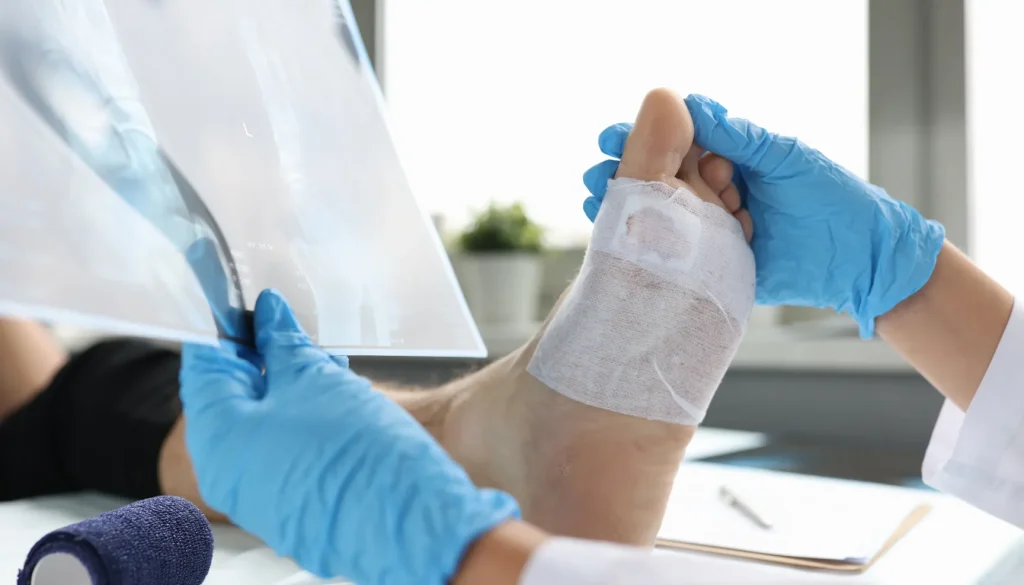
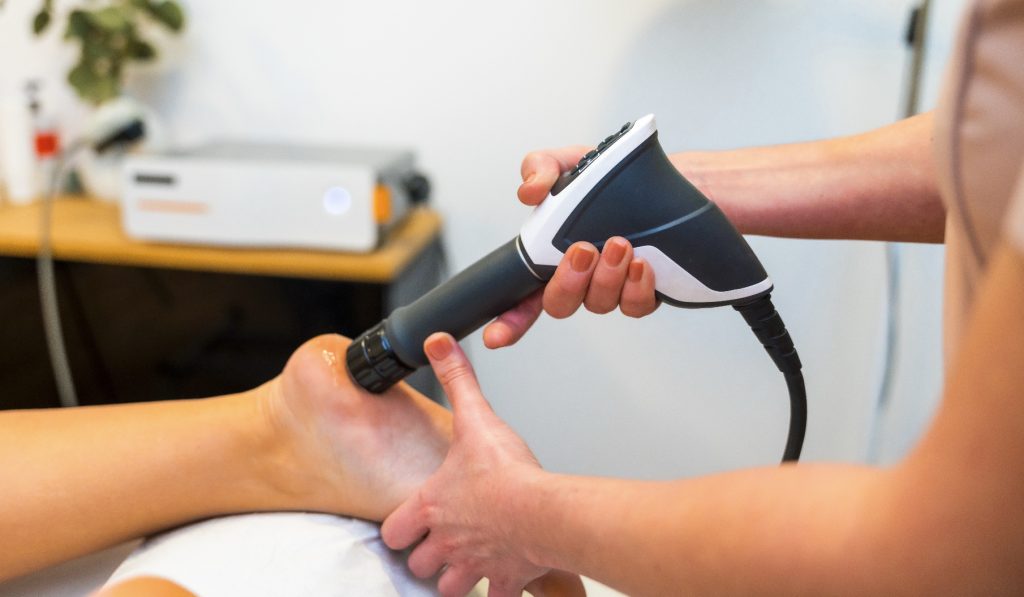
Ingrown toenails are one of the most common foot complaints we treat at Expert Foot Care. Left untreated, what starts as mild nail-edge discomfort can develop into a painful infection that affects your mobility and quality of life. Our senior podiatrists, each with over 15 years of experience, provide effective ingrown toenail treatment for patients across Brisbane’s northside, including Ashgrove, Alderley, and Enoggera.
This guide explains what causes ingrown toenails, how to identify them early, and what your treatment options look like, from simple home care through to minor in-clinic procedures.
What Are Ingrown Toenails?
An ingrown toenail occurs when the edge or corner of a toenail grows into the surrounding skin rather than over it. The result is localised pain, swelling, and in more advanced cases, infection. The big toe is the most commonly affected, though any toe can develop the condition.
Ingrown toenails affect people of all ages. They are particularly common in older adults, active individuals, and those with diabetes or circulation issues, all of whom require careful, experienced management.
Common Causes of Ingrown Toenails
Several factors contribute to ingrown toenail development. Understanding the root cause helps prevent recurrence, which is always part of our approach at Expert Foot Care.
Incorrect nail trimming. Cutting nails too short or rounding the corners encourages the nail edge to grow into the surrounding skin. Nails should always be cut straight across.
Ill-fitting footwear, such as shoes that are too tight, narrow, or short place sustained pressure on the toes. This is a common contributing factor for workers who spend long hours on their feet, including those in healthcare, retail, and hospitality.
Genetics: Some people inherit naturally curved or wide nails that are more prone to growing inward. If ingrown toenails run in your family, preventive care with a podiatrist is worthwhile.
Toe injury or trauma. Stubbing a toe, dropping something on the foot, or repetitive pressure from sport or physical activity can alter nail growth patterns and trigger an ingrown toenail.
Poor foot hygiene. Feet that are not kept clean and dry are more susceptible to bacterial build-up, which accelerates infection when an ingrown nail is present.
Recognising the Symptoms
Early identification makes treatment simpler and recovery faster. Common signs of an ingrown toenail include:
- Pain and tenderness along one or both sides of the nail
- Swelling and redness around the nail edge
- Skin that feels warm or hard to the touch near the nail
- Discharge of fluid or pus, indicating infection has taken hold
- Difficulty wearing shoes or walking comfortably
Mild symptoms caught early can often be managed at home. Moderate to severe symptoms, particularly any sign of infection, require prompt professional attention.
Ingrown Toenail Treatment: From Home Care to Professional Intervention
At-Home Care for Mild Cases
For early-stage ingrown toenails without infection, the following steps can provide relief:
- Soak the affected foot in warm water for 15 to 20 minutes, two to three times daily
- Gently clean around the nail edge after soaking
- Wear open-toed shoes or footwear with a wide toe box to reduce pressure
- Avoid cutting the nail shorter or digging into the nail edge, as this typically worsens the condition
Home care is appropriate for mild discomfort only. If symptoms persist beyond a few days or if you notice any redness spreading beyond the nail, seek professional assessment.
Professional Ingrown Toenail Treatment at Our Clinic
Our podiatrists at Expert Foot Care provide a range of clinical treatments depending on the severity of your condition. We always assess the root cause first and explain your options clearly before proceeding with any treatment.
Nail edge lifting and packing. For moderate cases, the podiatrist gently lifts the ingrown nail edge and places a small piece of material beneath it to encourage the nail to grow clear of the skin. This is a straightforward procedure that provides immediate relief for most patients.
Partial nail avulsion. For recurring or more severe ingrown toenails, a partial nail avulsion may be recommended. This minor in-clinic procedure involves removing the section of nail that is growing into the skin. A local anaesthetic is applied first, so the procedure itself is not painful. Recovery typically takes one to two weeks with straightforward aftercare instructions.
Total nail avulsion. In rare cases where the entire nail is problematic, total nail avulsion may be appropriate. This is discussed thoroughly with the patient before any decision is made. Our team prioritises the least invasive, most effective solution.
Nail bracing is a non-surgical option suitable for certain nail shapes. A small brace is applied to the nail surface to gently correct its curvature over time. This approach suits patients who prefer to avoid any form of nail removal.
What Happens During Professional Treatment
Many patients come to us having avoided treatment due to fear of pain. The reality is that modern podiatric procedures for ingrown toenails are straightforward, low-risk, and well-tolerated by most patients.
A typical appointment at our foot clinic follows this process:
- Assessment – We examine the toe, assess the severity, and discuss your history, including any previous ingrown toenail episodes, medical conditions, and footwear habits.
- Treatment discussion – We explain the recommended approach, answer your questions, and obtain your consent before proceeding.
- Procedure – Depending on the treatment, most appointments take between 30 and 60 minutes. Local anaesthetic is used for any nail removal procedures.
- Aftercare instructions – You leave with clear written instructions for home care and a follow-up plan where needed.
Most patients resume normal daily activities within 24 to 48 hours of a partial nail avulsion. We provide transparent guidance throughout so you always know what to expect.
Ingrown Toenails in Older Adults
Older adults are disproportionately affected by ingrown toenails, and the risks associated with untreated cases are higher. Reduced circulation, thickened nails, and decreased flexibility make self-management difficult. For patients over 60, an untreated ingrown toenail can escalate to a serious infection more quickly than in younger patients.
Our team are experts in treating the 55+ demographic. We take extra care to assess circulatory health, skin integrity, and overall foot condition during every consultation. Regular podiatry visits for older patients serve as both treatment and prevention, catching issues before they become complex.
If you or a family member in Ashgrove, Alderley, or the surrounding Brisbane northside area is managing ongoing foot concerns, our experienced podiatrists can provide a thorough assessment and clear long-term care plan.
Ingrown Toenails in Athletes and Active Patients
Runners, footballers, and individuals in high-impact sports frequently develop ingrown toenails due to repetitive pressure on the toes from footwear. Tight athletic shoes, incorrect sock thickness, and high training loads all contribute.
For active patients, treatment needs to account for getting you back to training as quickly as possible. Our sports podiatry team assesses both the nail condition and the footwear and biomechanical factors driving it. Addressing only the nail without reviewing the cause means the problem is likely to return.
If you are experiencing foot pain during training or have a recurring ingrown toenail linked to physical activity, our podiatrists in Enoggera and Ashgrove can provide a targeted assessment.
Ingrown Toenails and Diabetic Foot Health
For patients managing diabetes, an ingrown toenail is never a minor inconvenience. Reduced sensation in the feet means the condition may go unnoticed until infection has already set in. Impaired circulation slows healing and increases the risk of complications.
Diabetic patients should never attempt to self-treat an ingrown toenail. A professional assessment at a podiatry clinic experienced in diabetic foot care is essential. Our team provides diabetic foot management across Brisbane’s northside, with thorough assessments that include nail health, skin integrity, and vascular status in every consultation.
Early and regular podiatry care is one of the most effective ways diabetic patients can protect their long-term foot health.
When to See a Podiatrist for an Ingrown Toenail
Do not wait for symptoms to become severe. See a podiatrist promptly if you experience any of the following:
- Pain that is not improving after 48 hours of home care
- Visible redness spreading beyond the nail edge
- Discharge of pus or fluid from the nail area
- Fever or flu-like symptoms alongside nail pain
- Any foot concerns if you have diabetes, circulatory issues, or reduced sensation in your feet
Early treatment is simpler, less invasive, and less costly than addressing a fully infected nail. Our clinic serves patients across Ashgrove, Alderley, Enoggera, Everton Park, Stafford, and the surrounding Brisbane northside suburbs.
Frequently Asked Questions
Does ingrown toenail treatment hurt?
For mild procedures such as nail packing, most patients experience minimal discomfort. For partial or total nail avulsion, a local anaesthetic is administered beforehand. The procedure itself is not painful. Some tenderness during recovery is normal and manageable with over-the-counter pain relief.
How long does recovery take?
Most patients recover fully within one to two weeks following a partial nail avulsion. Nail bracing and packing procedures have no downtime. Your podiatrist will provide specific aftercare guidance based on your treatment.
Will the ingrown toenail come back?
Recurrence is possible, particularly if the underlying cause (nail trimming technique, footwear, or nail shape) is not addressed. Our podiatrists focus on identifying and resolving the root cause to reduce the likelihood of the problem returning.
Can I treat an ingrown toenail myself?
Mild cases with no sign of infection can be managed at home with warm water soaks and appropriate footwear. Attempting to cut or dig out the nail yourself risks worsening the condition and introducing infection. If in doubt, book an assessment.
How much does ingrown toenail treatment cost?
Treatment costs vary depending on the procedure required. Contact our clinic directly for current pricing, or ask about our new patient consultation offer when you book.
Book Your Ingrown Toenail Assessment in Brisbane
Expert Foot Care provides experienced, transparent ingrown toenail treatment across Brisbane’s northside. Our senior podiatrists assess the full picture before recommending any procedure, and we always discuss your options clearly so you can make an informed decision.
📞 Call us on (07) 3256 8638
🌐 Book online at expertfootcare.com.au/booking/
📍 Serving Ashgrove, Alderley, Enoggera, Everton Park, Stafford, Wilston and surrounding suburbs